The questions
- 1
Which alphabet do English, Spanish, and Turkish use?
- The Arabic alphabet
- The Cyrillic alphabet
- The Greek alphabet
- The Latin alphabet
Answer: The Latin alphabet
- 2
For more than 1,000 years, many people in Europe wrote with a quill. What is a quill?
- A brush made of hair
- A pen made from a feather
- A pen made from a reed
- A stick of charcoal
Answer: A pen made from a feather
- 3
Which of these is written from right to left: Arabic, Hindi, Greek, or Spanish?
- Arabic
- Greek
- Hindi
- Spanish
Answer: Arabic
- 4
Ukrainian and Bulgarian are written in which alphabet?
- Armenian
- Cyrillic
- Greek
- Latin
Answer: Cyrillic
- 5
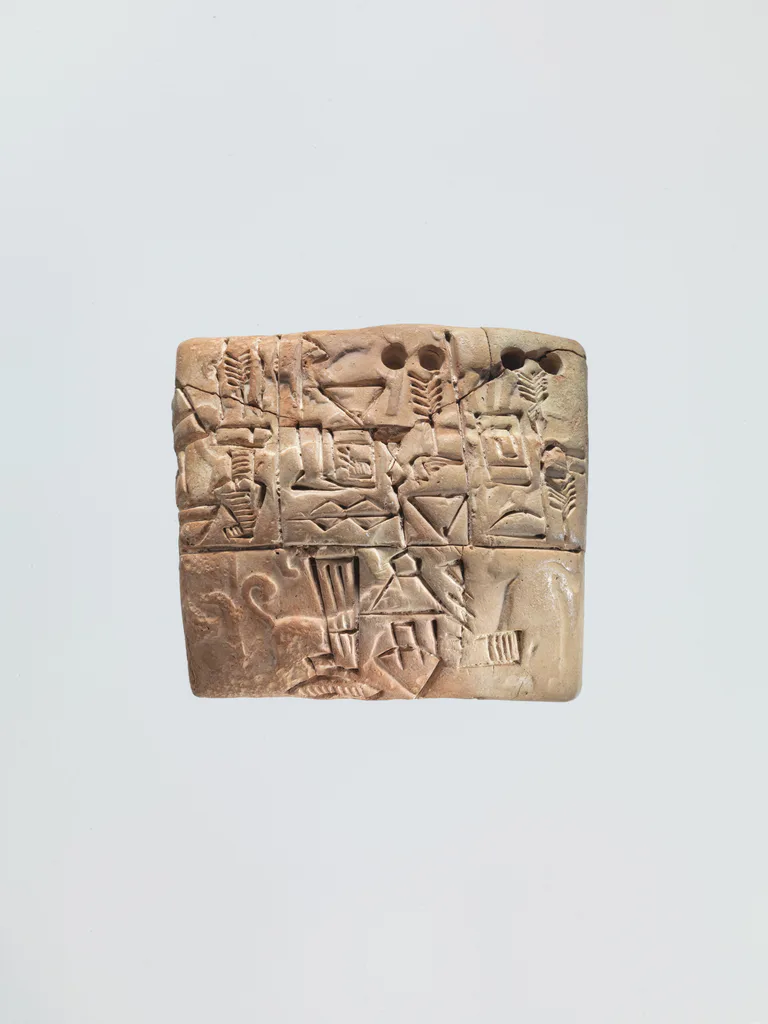
Some of the oldest writing in the world is on tablets like this one from Mesopotamia, made about 5,000 years ago. What was writing mostly used for at first?
- Keeping accounts
- Sending letters
- Telling stories
- Writing songs
Answer: Keeping accounts
- 6
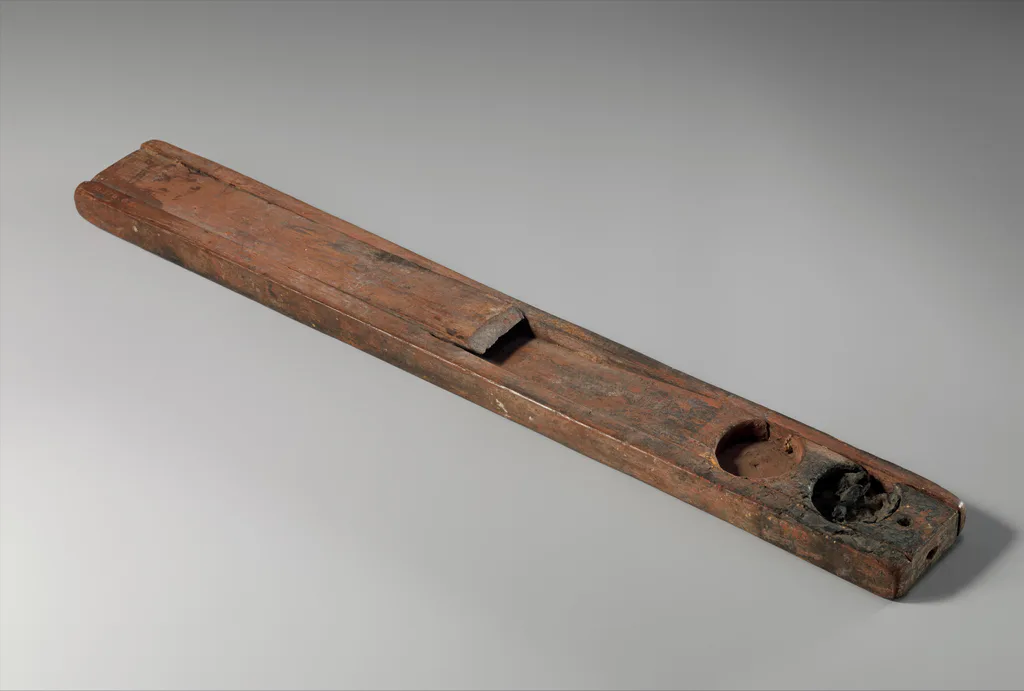
Egyptian scribes carried a palette like this one. What did its two round hollows hold?
- Gold and silver dust
- Red and black ink
- Seeds for planting
- Water and oil
Answer: Red and black ink
- 7
The Rosetta Stone has the same message in three kinds of writing. Which one could scholars already read?
- Ancient Greek
- Demotic script
- Egyptian hieroglyphs
- Latin
Answer: Ancient Greek
- 8
In 1822, a French scholar announced that he could read Egyptian hieroglyphs. Who was he?
- Bonaparte
- Carter
- Champollion
- Pasteur
Answer: Champollion
- 9
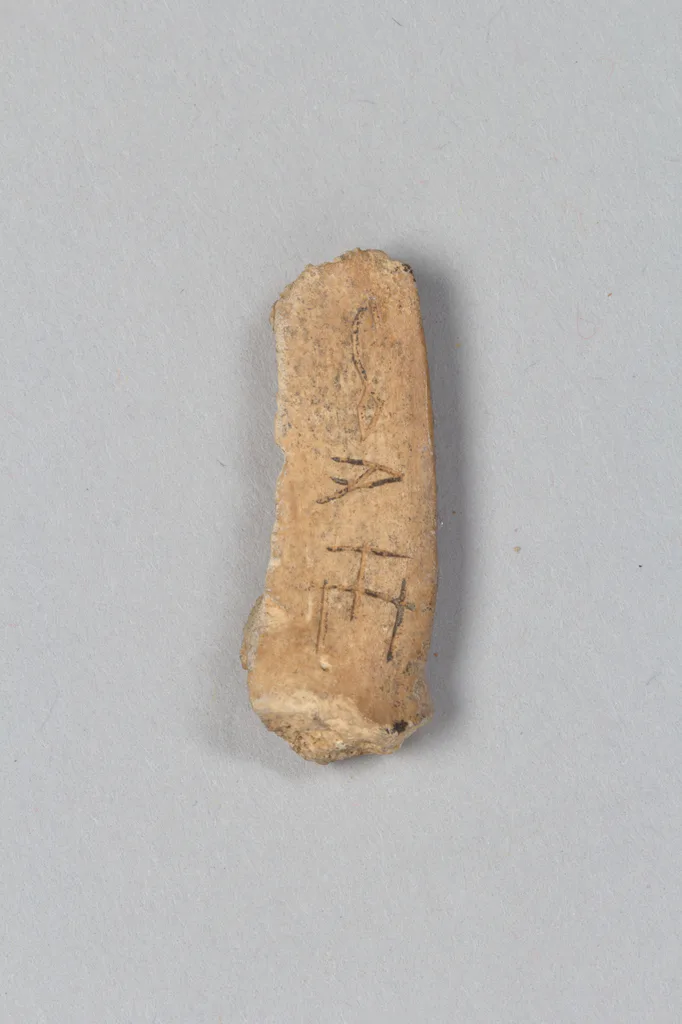
The oldest Chinese writing we know was carved on ox bones and turtle shells, about 3,200 years ago. What were these "oracle bones" used for?
- Asking about the future
- Keeping score in games
- Paying at the market
- Teaching children to count
Answer: Asking about the future
- 10
In Chinese writing, what does one character usually stand for?
- A whole page
- A whole sentence
- A word or part of a word
- One sound, like a letter
Answer: A word or part of a word
- 11
The Phoenician alphabet, about 3,000 years old, had letters only for consonants. Who added letters for vowels?
- The Chinese
- The Egyptians
- The Greeks
- The Romans
Answer: The Greeks
- 12
In the 1440s, King Sejong created a simple new alphabet so that ordinary people could learn to read. For which language?
- Chinese
- Japanese
- Korean
- Vietnamese
Answer: Korean
- 13
About 400 years before Gutenberg's printing press, Bi Sheng in China printed with small movable pieces of type. What were they made of?
- Baked clay
- Glass
- Ivory
- Solid gold
Answer: Baked clay
- 14
The QWERTY keyboard was first made, in the 1870s, for which machine?
- The cash register
- The piano
- The telegraph
- The typewriter
Answer: The typewriter
- 15
Louis Braille, who was blind, invented his reading system of raised dots in 1824. How old was he?
Answer: 15
- 16
Bonus: the word "emoji" comes from Japanese. What does it mean?
- Emotion icon
- Picture character
- Short message
- Smiling face
Answer: Picture character