The questions
- 1
Mesopotamia means "the land between the rivers". Which two rivers are they?
- The Danube and the Rhine
- The Indus and the Ganges
- The Nile and the Jordan
- The Tigris and the Euphrates
Answer: The Tigris and the Euphrates
- 2
Most of ancient Mesopotamia lies in which country today?
- Egypt
- Greece
- India
- Iraq
Answer: Iraq
- 3
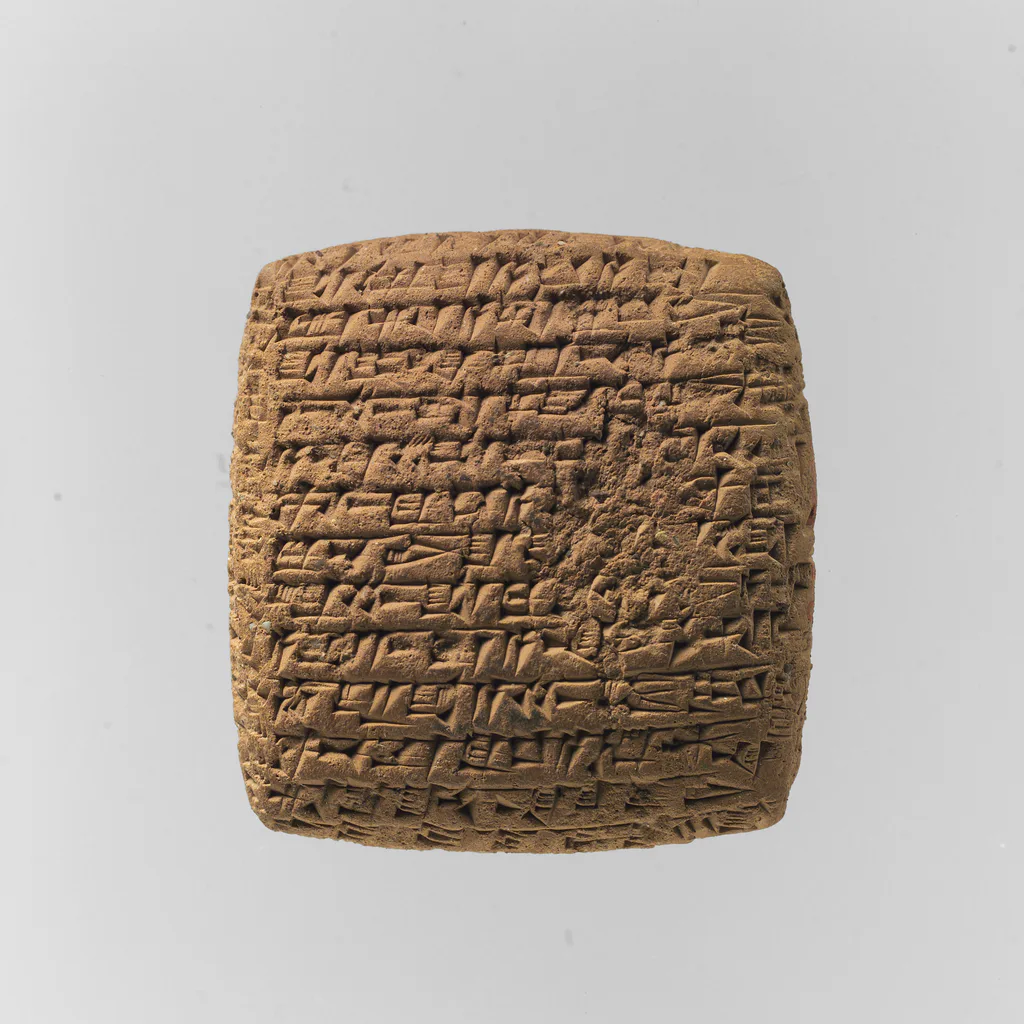
This writing, pressed into a clay tablet, is called cuneiform. What does the word cuneiform mean?
- Bird-shaped
- Leaf-shaped
- Star-shaped
- Wedge-shaped
Answer: Wedge-shaped
- 4
Writers pressed the marks into wet clay. What did they use?
- A cut reed
- A goose feather
- A metal nib
- A paintbrush
Answer: A cut reed
- 5
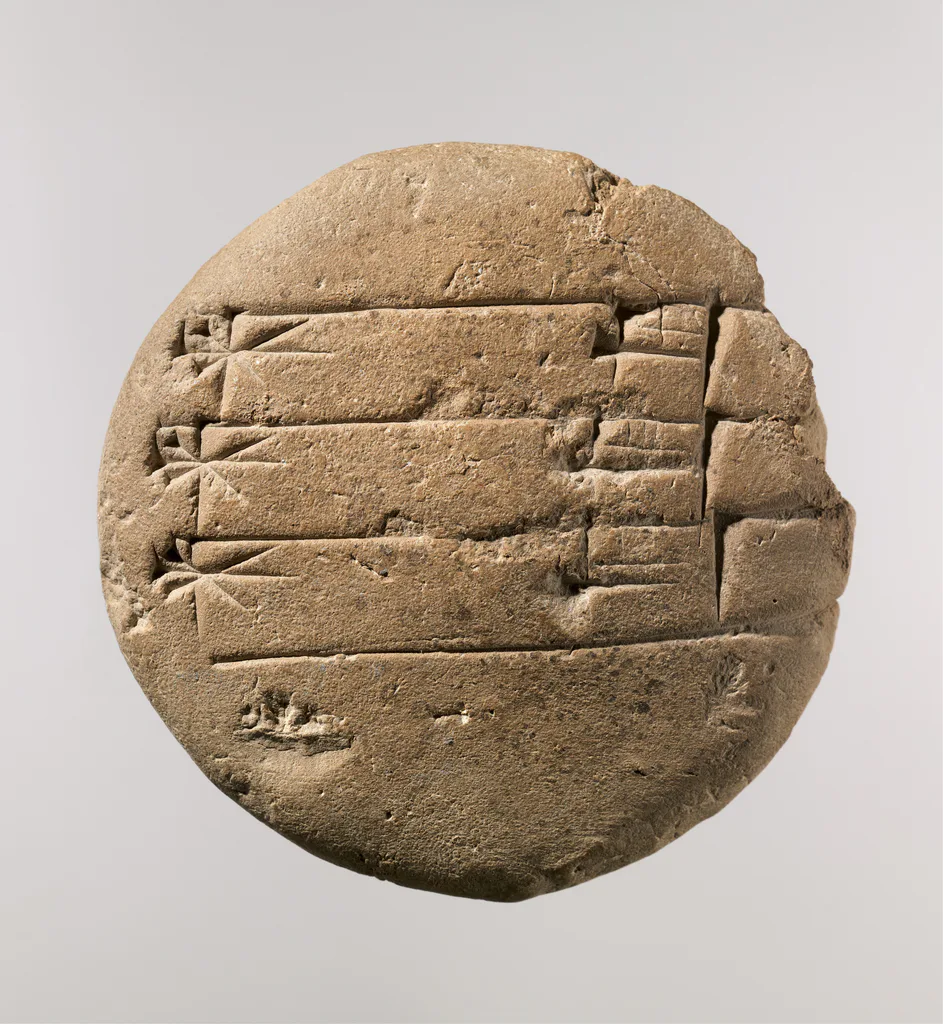
This round tablet is a pupil's practice work from a school in ancient Mesopotamia. What were the pupils learning to become?
- Farmers
- Potters
- Scribes
- Soldiers
Answer: Scribes
- 6
Why did farmers in Mesopotamia dig canals from the rivers?
- To catch fish to sell
- To keep enemies away
- To make the rivers longer
- To water their fields
Answer: To water their fields
- 7
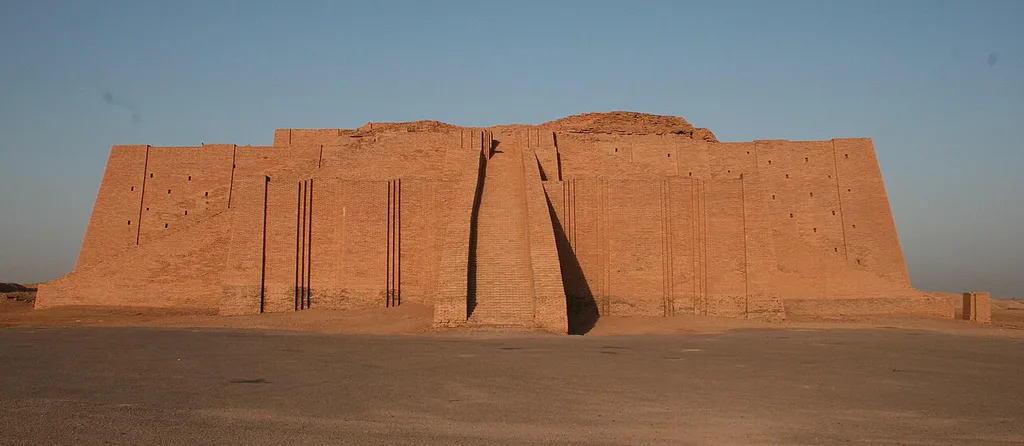
This huge stepped building is the ziggurat of Ur. What stood on its top?
- A king's tomb
- A lighthouse
- A royal palace
- A shrine to a god
Answer: A shrine to a god
- 8
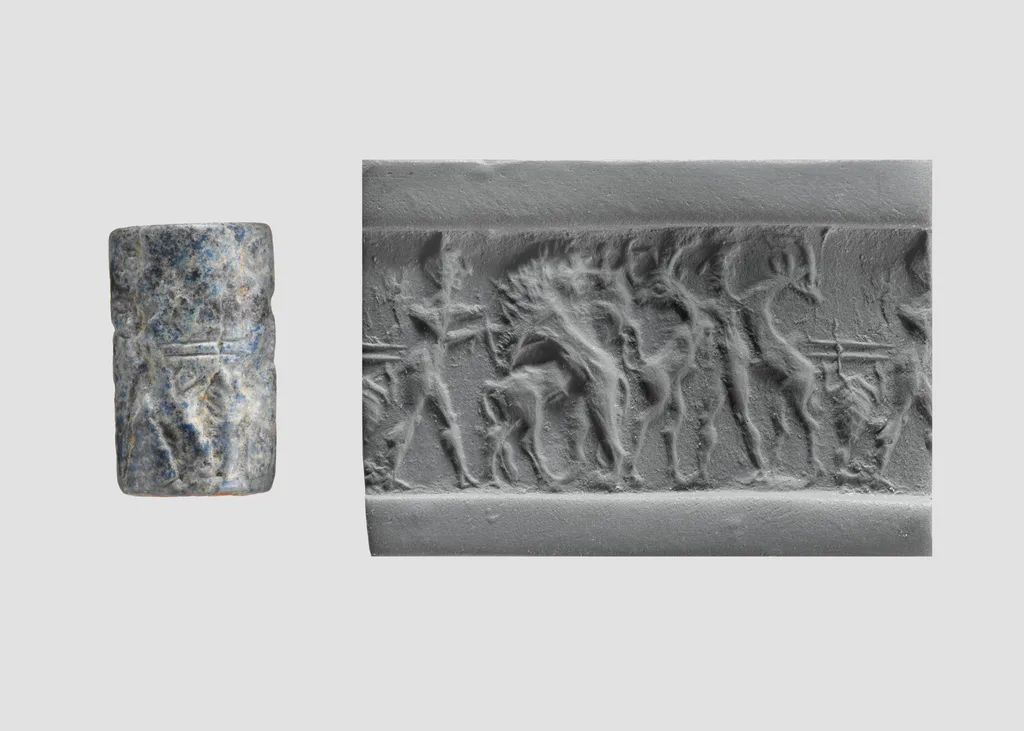
People rolled small stone cylinders like this one across wet clay. What were they for?
- To count the days of the year
- To flatten bread before baking
- To grind grain into flour
- To sign and seal documents
Answer: To sign and seal documents
- 9
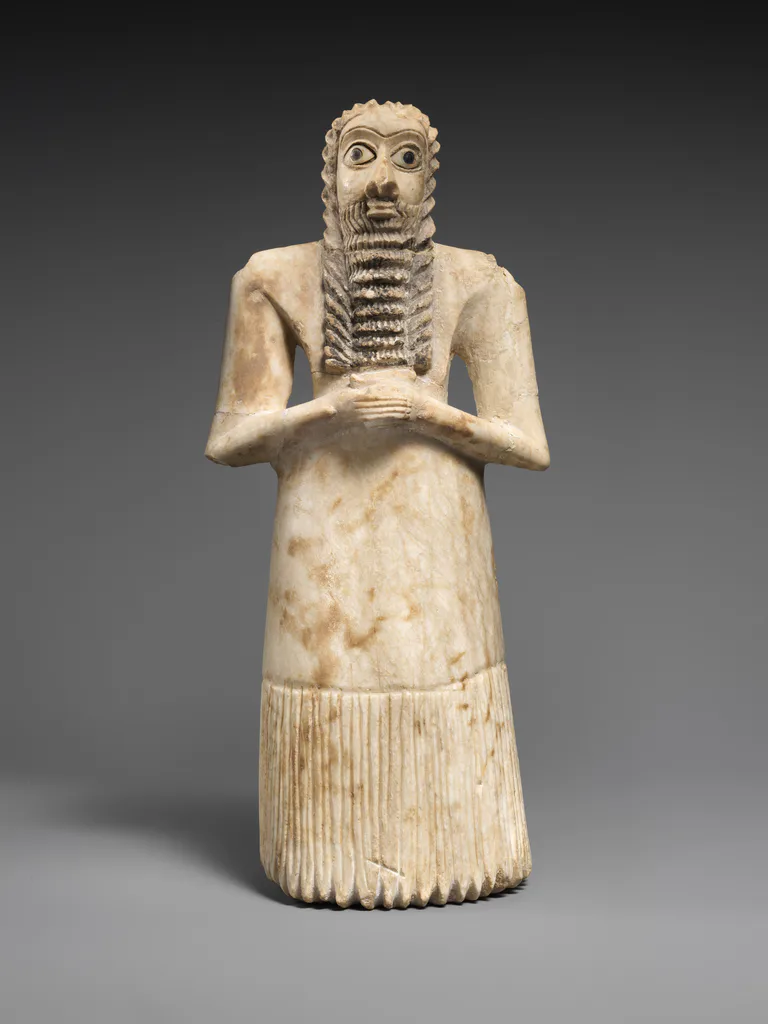
Sumerians placed statues like this one in their temples. What were they for?
- To hold lamps for the priests
- To pray to the gods for their owners
- To scare robbers away from the temple
- To show the faces of famous soldiers
Answer: To pray to the gods for their owners
- 10
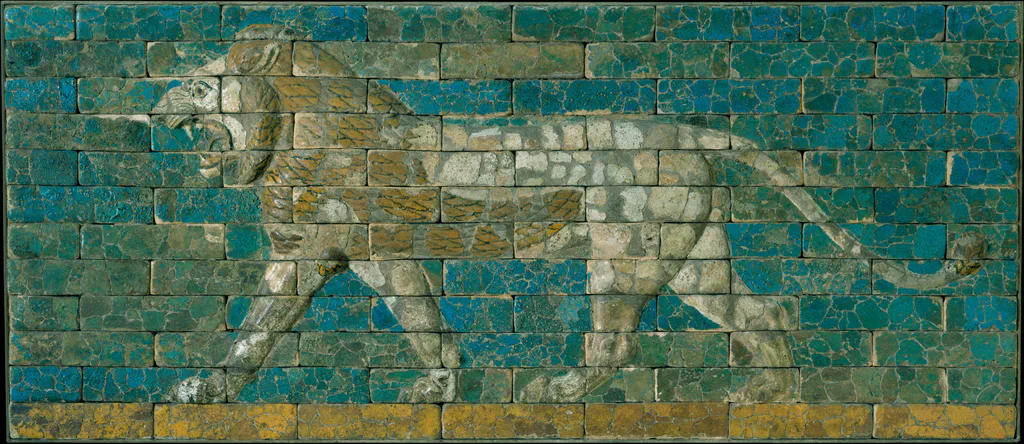
This lion of blue glazed bricks lined the road to the Ishtar Gate of a great city. Which city?
- Babylon
- Nineveh
- Ur
- Uruk
Answer: Babylon
- 11
King Hammurabi, who ruled about 3,800 years ago, is famous for what?
- A gate of blue glazed bricks
- A tower that reached the clouds
- His laws carved on a tall stone
- The first story of a great flood
Answer: His laws carved on a tall stone
- 12
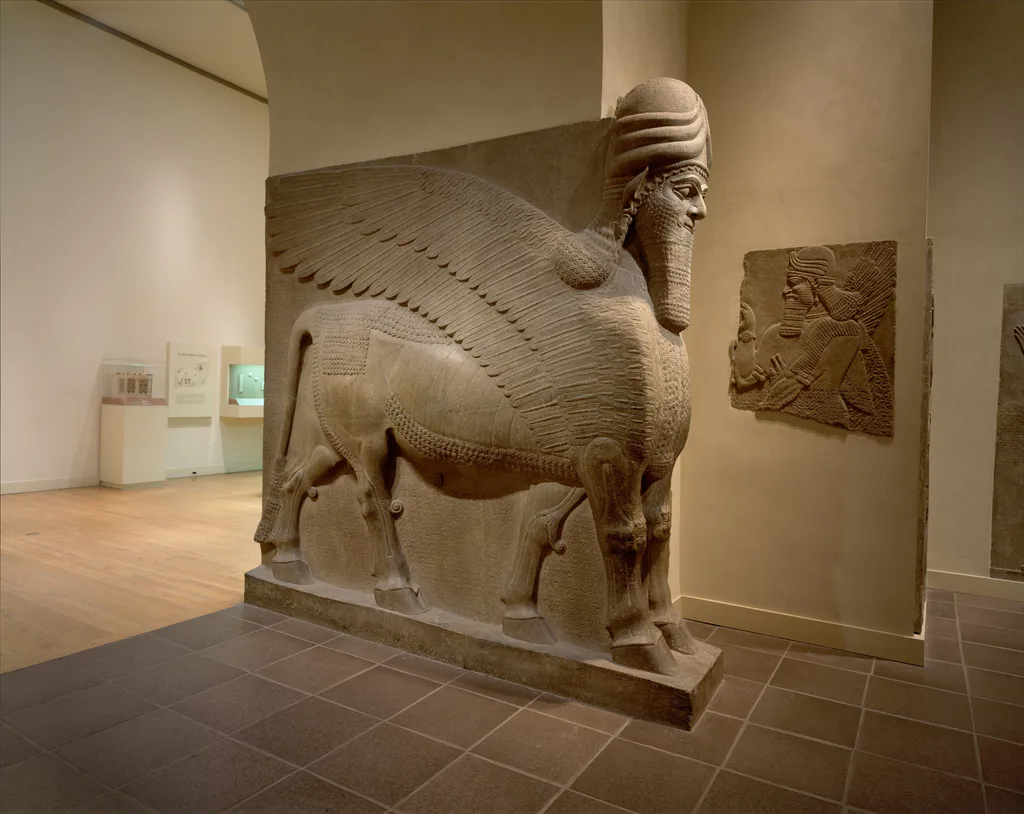
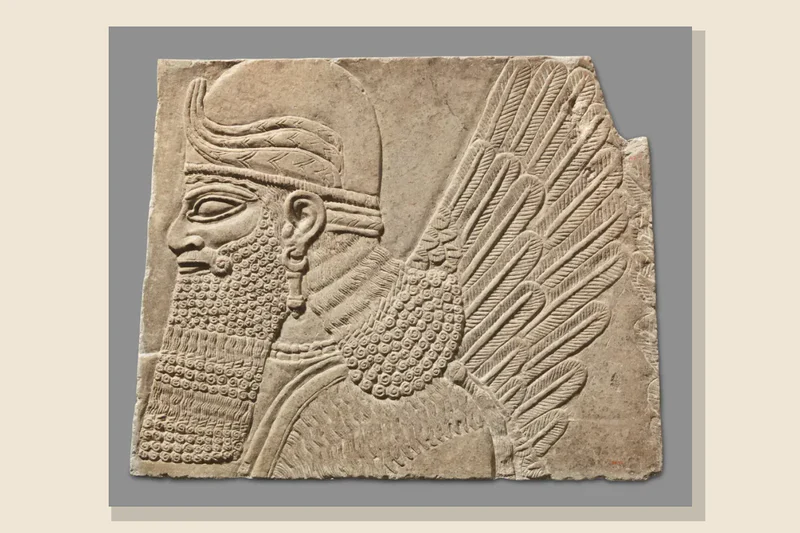
Giant winged bulls with human heads, like this one, guarded the gates of Assyrian palaces. What are they called?
- Centaurs
- Griffins
- Lamassu
- Sphinxes
Answer: Lamassu
- 13
The Epic of Gilgamesh is one of the oldest stories in the world. After his best friend dies, what does Gilgamesh search for?
- A great treasure of gold
- A lost city under the sea
- A new kingdom to rule
- A way to live forever
Answer: A way to live forever
- 14
People in Mesopotamia counted in 60s. What do we still count in 60s today?
- Days in a month
- Hours in a day
- Months in a year
- Seconds and minutes
Answer: Seconds and minutes
- 15
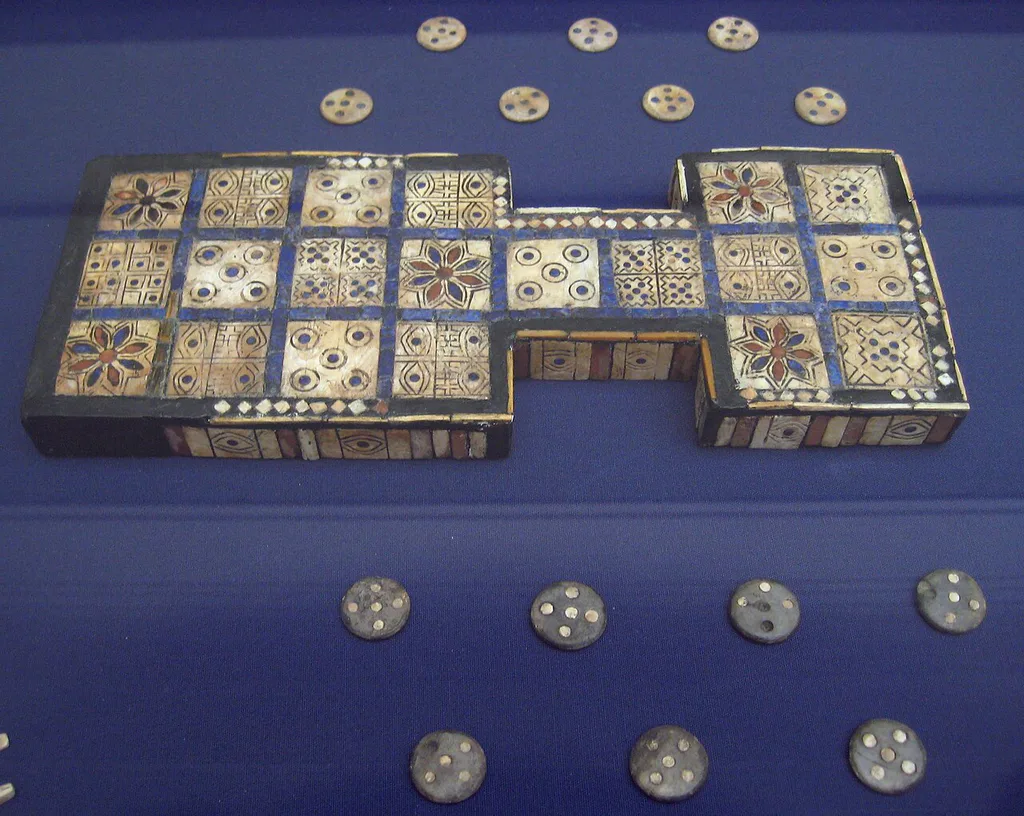
This object, about 4,500 years old, was found in a royal tomb at Ur. What is it?
- A board game
- A king's crown
- A map of the stars
- A musical instrument
Answer: A board game
- 16
The first cart wheels in Mesopotamia were not like bicycle wheels. What were they like?
- Rings of shiny metal
- Round stones with holes
- Solid discs of wood
- Thin rings with spokes
Answer: Solid discs of wood
- 17
Bonus: for many centuries nobody could read cuneiform. When did scholars learn to read it again?
- In the 1300s
- In the 1800s
- In the 1950s
- In the 2010s
Answer: In the 1800s