The questions
- 1
The Indus Valley civilisation grew up along the Indus River about 4,500 years ago. In which country does most of the Indus flow today?
- India
- Iran
- Nepal
- Pakistan
Answer: Pakistan
- 2
Cities like Mohenjo-daro had straight streets laid out in a grid and covered drains. What does this tell us?
- The cities were built underground
- The cities were carefully planned
- The houses were built at random
- The people lived in tents
Answer: The cities were carefully planned
- 3
One of the biggest buildings in Mohenjo-daro was a large brick pool, sealed with tar to hold water. What do we call it today?
- The Great Bath
- The King's Fountain
- The Royal Lake
- The Sacred Well
Answer: The Great Bath
- 4
People in the Indus Valley grew a plant and wove it into cloth. Scraps of their cloth are among the oldest ever found. Which plant?
- Bamboo
- Cotton
- Rice
- Tea
Answer: Cotton
- 5
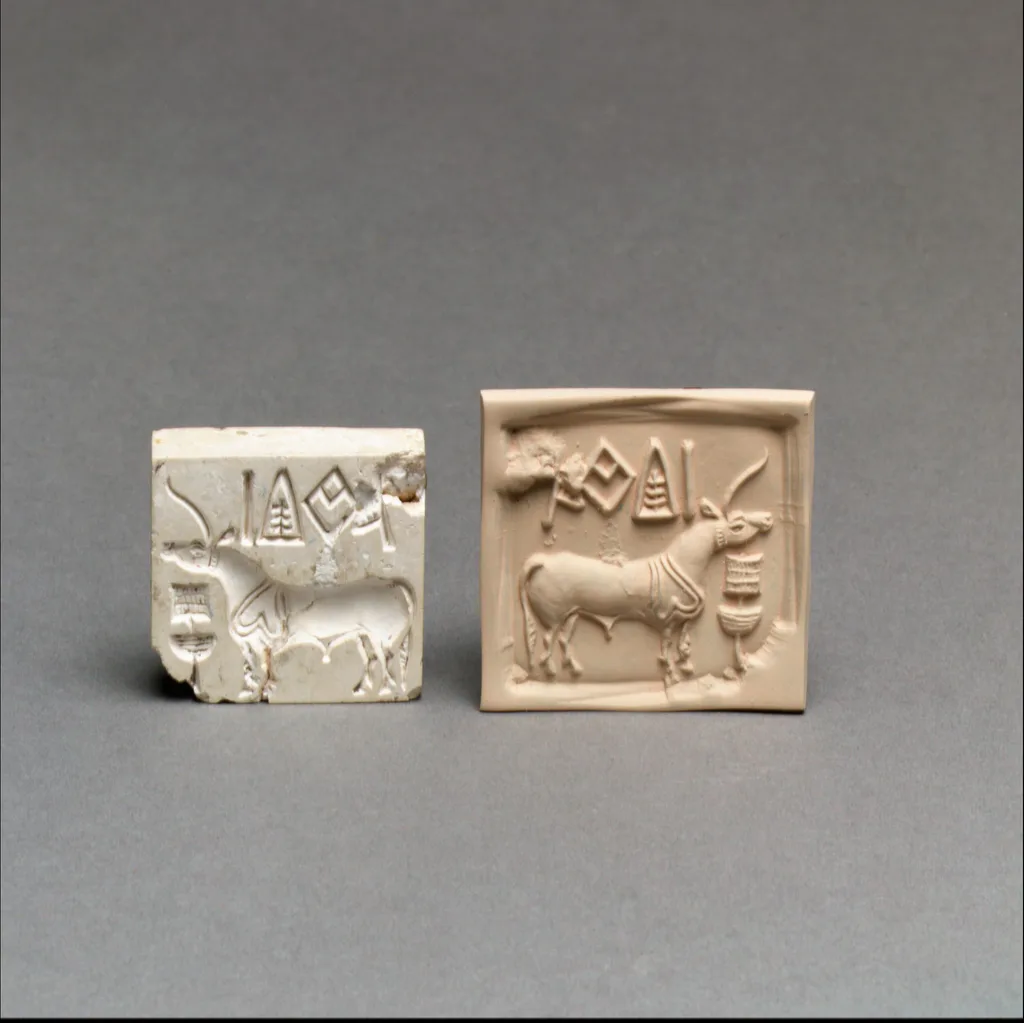
People in the Indus cities pressed small stone seals like this one into clay. What is special about the signs at the top?
- Nobody can read them yet
- They are Chinese characters
- They are Egyptian hieroglyphs
- They are Greek letters
Answer: Nobody can read them yet
- 6
After a terrible war at Kalinga, about 2,300 years ago, an Indian emperor was so upset by the suffering that he changed. What did he decide?
- To build a bigger army
- To conquer even more lands
- To leave India forever
- To rule by peace and kindness
Answer: To rule by peace and kindness
- 7
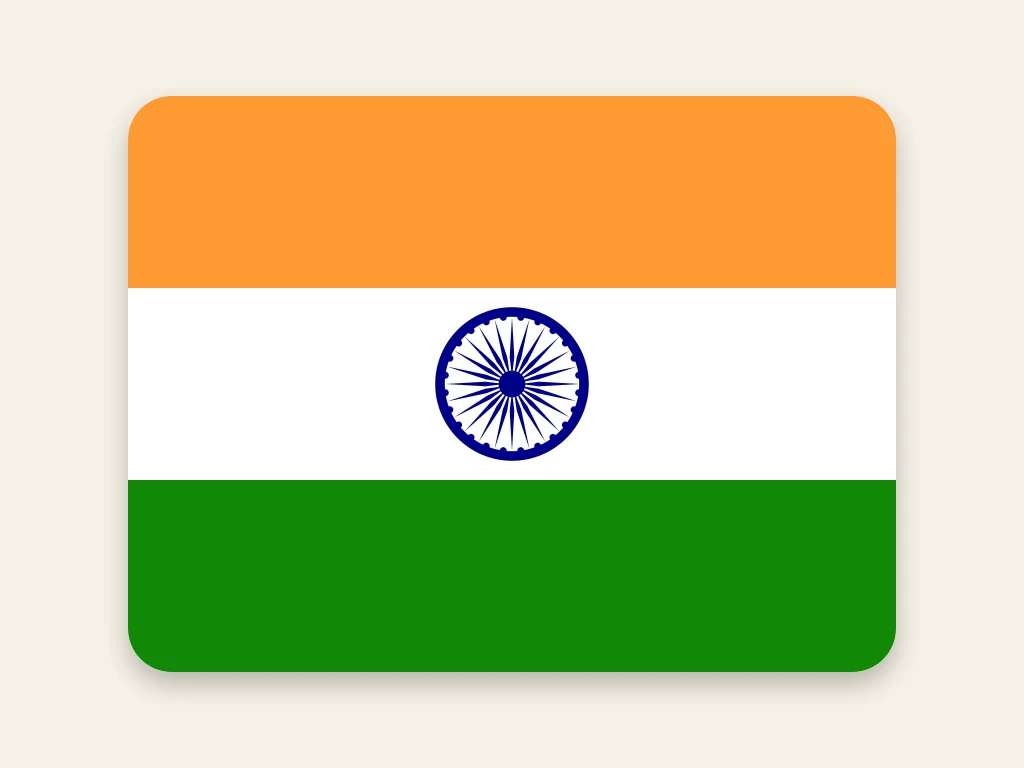
The wheel in the middle of India's flag comes from a stone pillar of an emperor who ruled about 2,250 years ago. Who was he?
- Akbar
- Ashoka
- Babur
- Shah Jahan
Answer: Ashoka
- 8
Pataliputra, the capital of the great Maurya Empire, stood on which river?
- The Brahmaputra
- The Ganges
- The Indus
- The Narmada
Answer: The Ganges
- 9
The Buddha, Siddhartha Gautama, was born about 2,500 years ago in Lumbini. In which country is Lumbini today?
- Bhutan
- India
- Nepal
- Sri Lanka
Answer: Nepal
- 10
India's oldest holy books, the Vedas, are written in which ancient language?
- Greek
- Latin
- Persian
- Sanskrit
Answer: Sanskrit
- 11
The Gupta period, about 1,600 years ago, is often called India's ___ Age, because science and art did so well.
- Golden
- Iron
- Silver
- Stone
Answer: Golden
- 12
The astronomer Aryabhata, born in 476, said that the Earth does what?
- Is flat like a plate
- Moves around the Moon
- Spins around once a day
- Stays perfectly still
Answer: Spins around once a day
- 13
In 628, the mathematician Brahmagupta was the first to write rules for doing sums with which number?
- A hundred
- One
- Ten
- Zero
Answer: Zero
- 14
Chess began in India as a game called chaturanga. Its pieces stood for the four parts of an army: foot soldiers, horses, chariots and ___.
- Camels
- Dragons
- Elephants
- Ships
Answer: Elephants
- 15
Chinese monks like Xuanzang travelled for years to reach Nalanda, in India, about 1,400 years ago. What was Nalanda?
- A busy port
- A desert fort
- A great university
- A royal palace
Answer: A great university
- 16
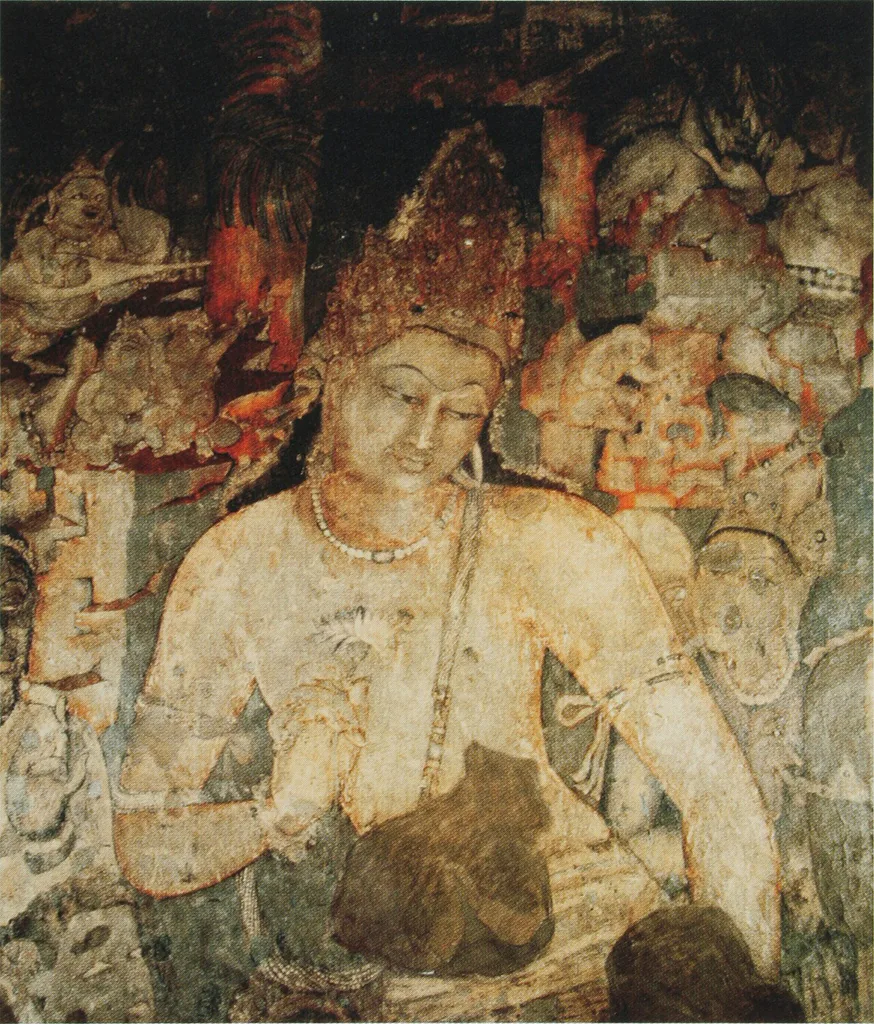
This painting covers a wall inside Buddhist caves cut into a cliff in western India. What are these caves called?
- The Ajanta Caves
- The Lascaux Caves
- The Mogao Caves
- The Waitomo Caves
Answer: The Ajanta Caves
- 17
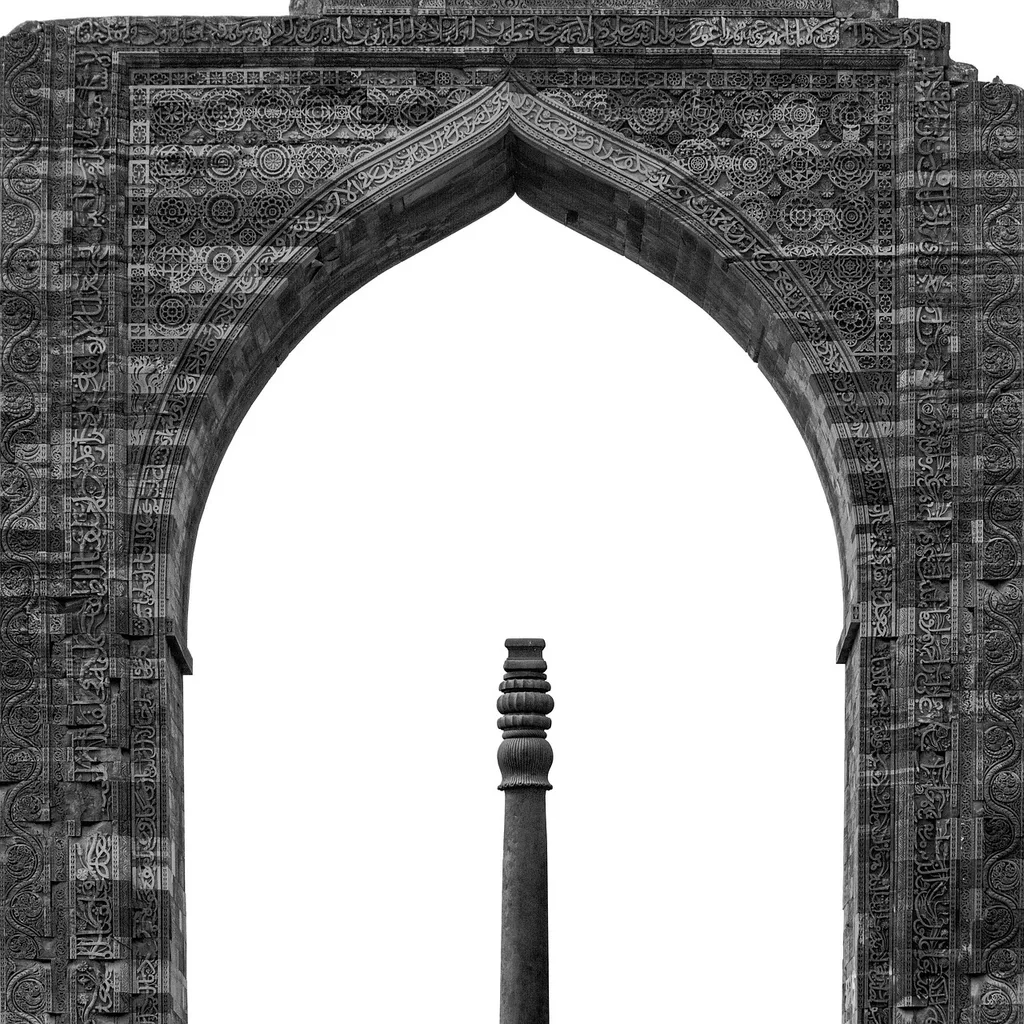
This iron pillar in Delhi is about 1,600 years old. What is amazing about it?
- It has hardly rusted
- It hums when the wind blows
- It is made of solid gold
- It was carved from one tree
Answer: It has hardly rusted
- 18
Bonus: Indus seals have been found far away in Mesopotamia. What does this tell us?
- Mesopotamia ruled the Indus Valley
- The Indus people all moved there
- The two lands traded with each other
- The two lands were one country
Answer: The two lands traded with each other