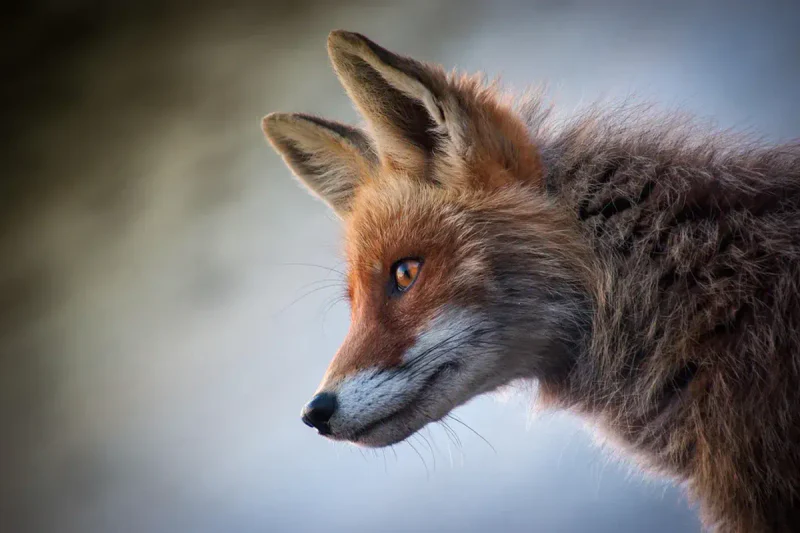
The questions
- 1

Why do rabbits have eyes on the sides of their heads?
- To see all colours more brightly
- To see better in the dark
- To see danger from all around
- To see far into the distance
Answer: To see danger from all around
- 2

What do a cat's long whiskers help it do?
- Feel what is around it
- Hear very quiet sounds
- Keep its face warm
- Smell food from far away
Answer: Feel what is around it
- 3
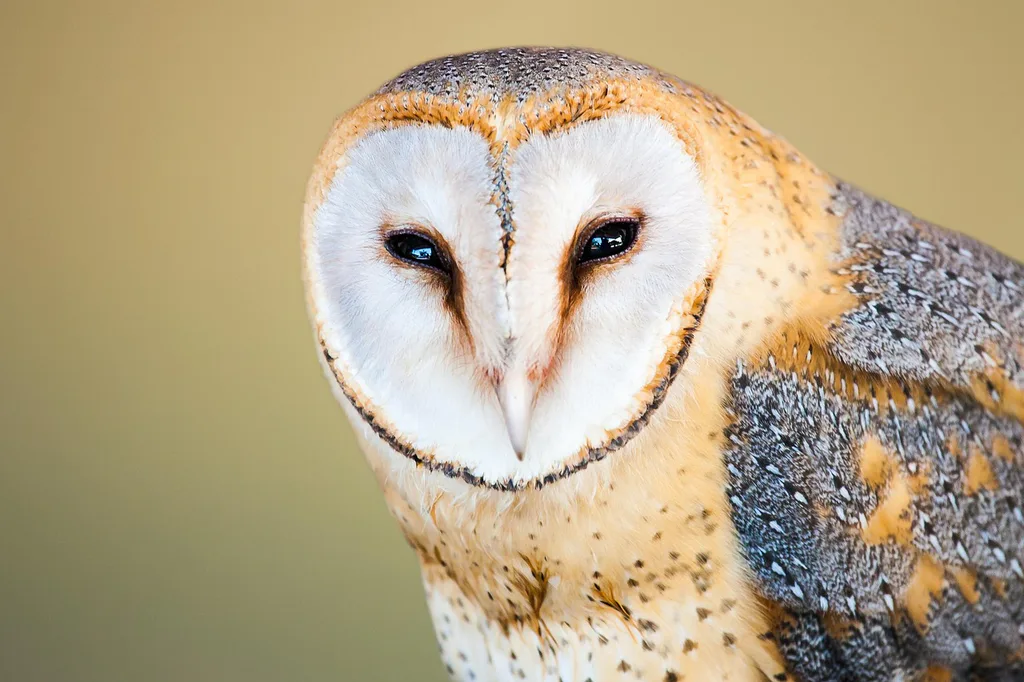
Look at this barn owl's flat, round face. How does its face help it hunt at night?
- It gathers sounds to its ears
- It keeps its big eyes warm
- It scares mice out of the grass
- It shines in the moonlight
Answer: It gathers sounds to its ears
- 4
Some owls have one ear a little higher than the other. Why?
- To hear two sounds at the same time
- To keep their balance on thin branches
- To make room for their big eyes
- To tell if a sound is above or below them
Answer: To tell if a sound is above or below them
- 5
Which of these animals does NOT use echolocation: a little brown bat, a dolphin, a sperm whale or a penguin?
- A dolphin
- A little brown bat
- A penguin
- A sperm whale
Answer: A penguin
- 6
Which of these can sense the tiny electric signals given off by other animals' muscles: a shark, a cat, an eagle or a rabbit?
- A cat
- A rabbit
- A shark
- An eagle
Answer: A shark
- 7
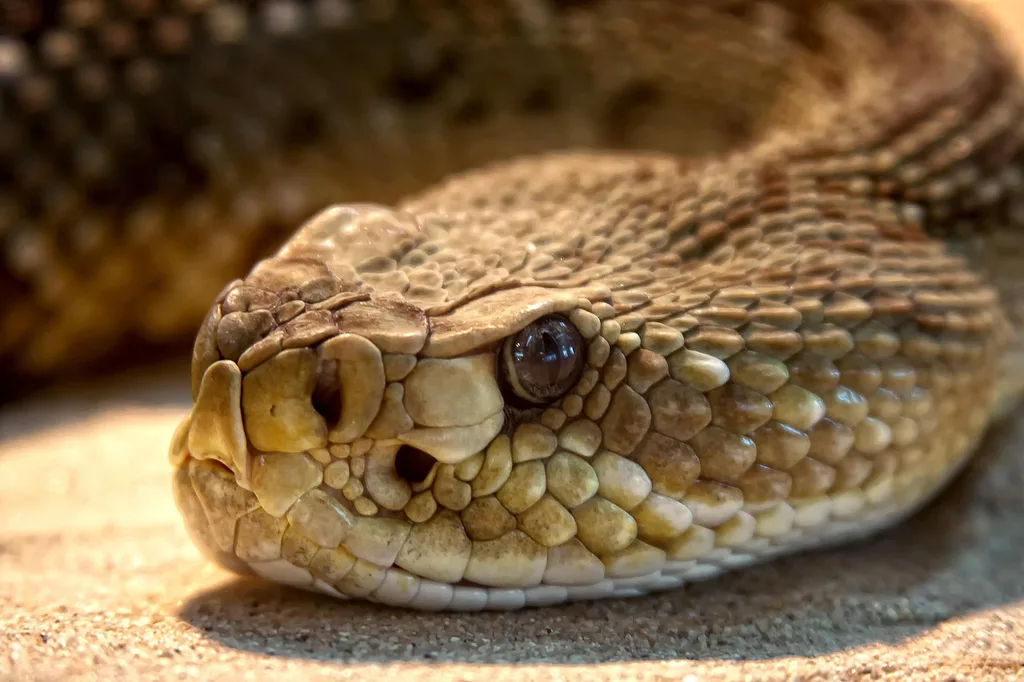
Look at the small pit between this rattlesnake's eye and its nostril. What does it sense?
- The heat of warm animals
- The smell of food nearby
- The sound of footsteps
- The taste of the water
Answer: The heat of warm animals
- 8
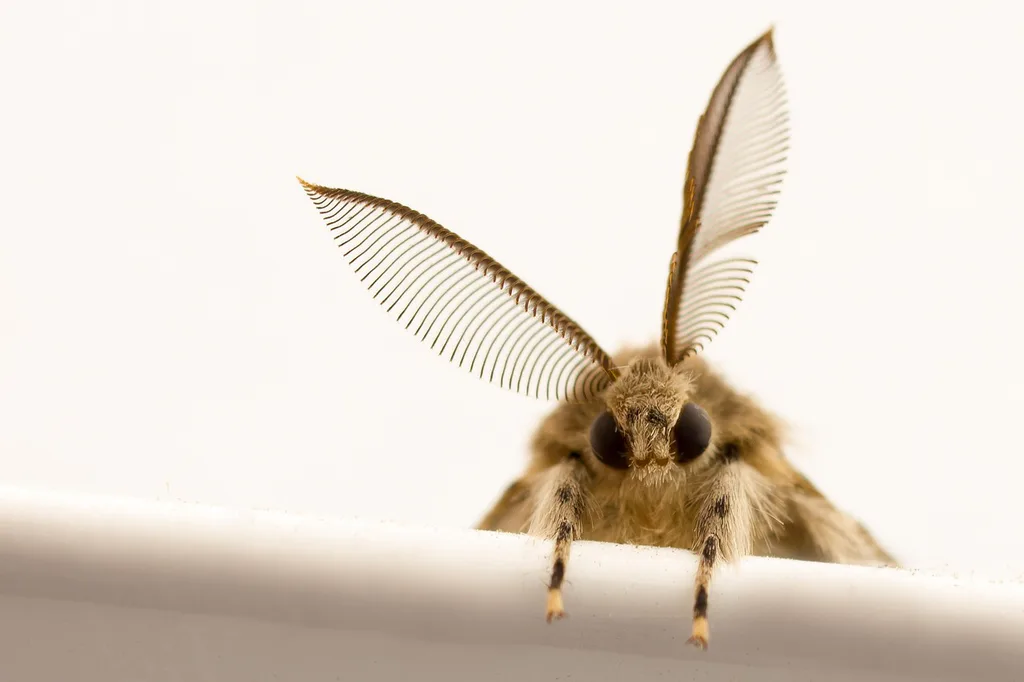
Look at this moth's big, feathery antennae. What does it use them for?
- Finding a mate by smell
- Hearing very far-off sounds
- Keeping its head warm
- Seeing in the dark
Answer: Finding a mate by smell
- 9
Most fish have a row of tiny sensors along each side of their body. What do they feel?
- Heat from the summer sun
- Light from the sky above
- Movements in the water
- Smells floating in the air
Answer: Movements in the water
- 10
Elephants can feel the rumbling calls of faraway elephants through the ground. With which part of the body?
- Their backs
- Their feet
- Their tails
- Their tusks
Answer: Their feet
- 11
Bees can see a kind of light that people cannot see. What is it called?
Answer: Ultraviolet (UV)
- 12
Crickets have their ears in a strange place. Where?
- On their antennae
- On their front legs
- On top of their backs
- Under their wings
Answer: On their front legs
- 13
True or false: catfish have taste buds all over their bodies.
- False: they taste only inside their mouths
- True: they can taste with their skin
Answer: True: they can taste with their skin
- 14
Which land animal has the biggest eyes?
- The elephant
- The hippo
- The lion
- The ostrich
Answer: The ostrich
- 15
True or false: dogs see the world only in black and white.
- False: they can see blue and yellow
- True: they cannot see any colour
Answer: False: they can see blue and yellow
- 16
True or false: cats cannot taste sweet things.
- False: they love sugar as much as we do
- True: they have no sweet taste sensors
Answer: True: they have no sweet taste sensors
- 17
Bonus: the box jellyfish has no brain, but it has lots of eyes. How many?
Answer: 24