The questions
- 1
What is an adaptation?
- A change in the weather from season to season
- A feature that helps a living thing survive
- A home that an animal builds for its young
- A journey that animals make every year
Answer: A feature that helps a living thing survive
- 2
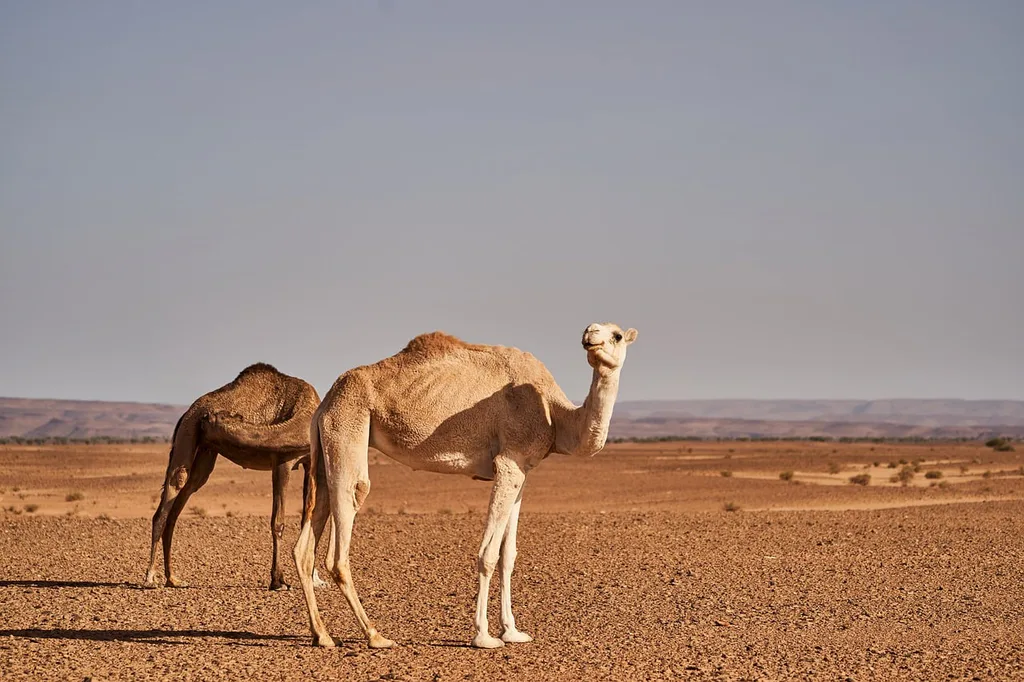
True or false: A camel's hump is full of water.
- False: it is a store of fat
- True: it is a store of water
Answer: False: it is a store of fat
- 3
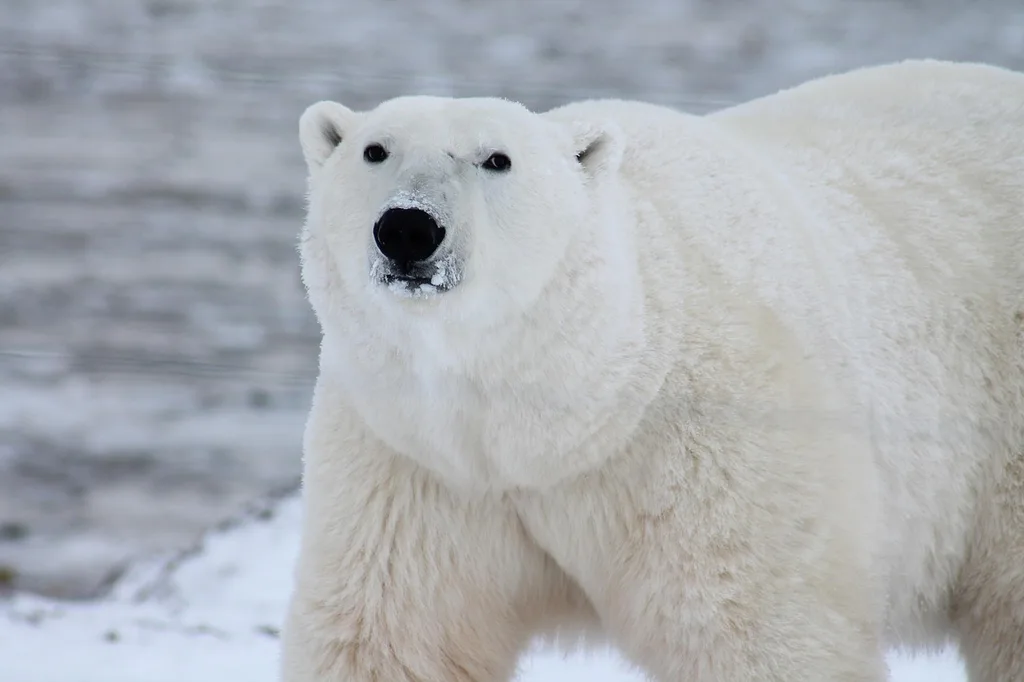
What keeps a polar bear warm in the Arctic?
- A long, bushy tail to curl up in
- A warm den to sleep in all year
- Short fur and very big ears
- Thick fur and a layer of fat
Answer: Thick fur and a layer of fat
- 4
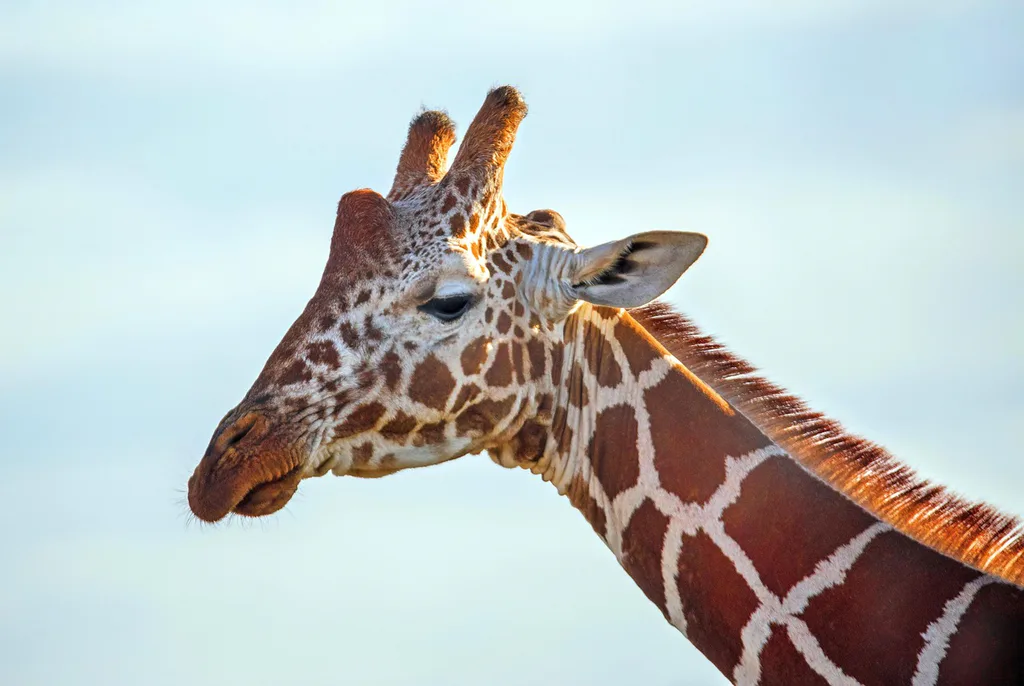
How does a long neck help a giraffe?
- It can drink without bending down
- It can reach the highest leaves
- It can see over the clouds
- It can swim across deep rivers
Answer: It can reach the highest leaves
- 5
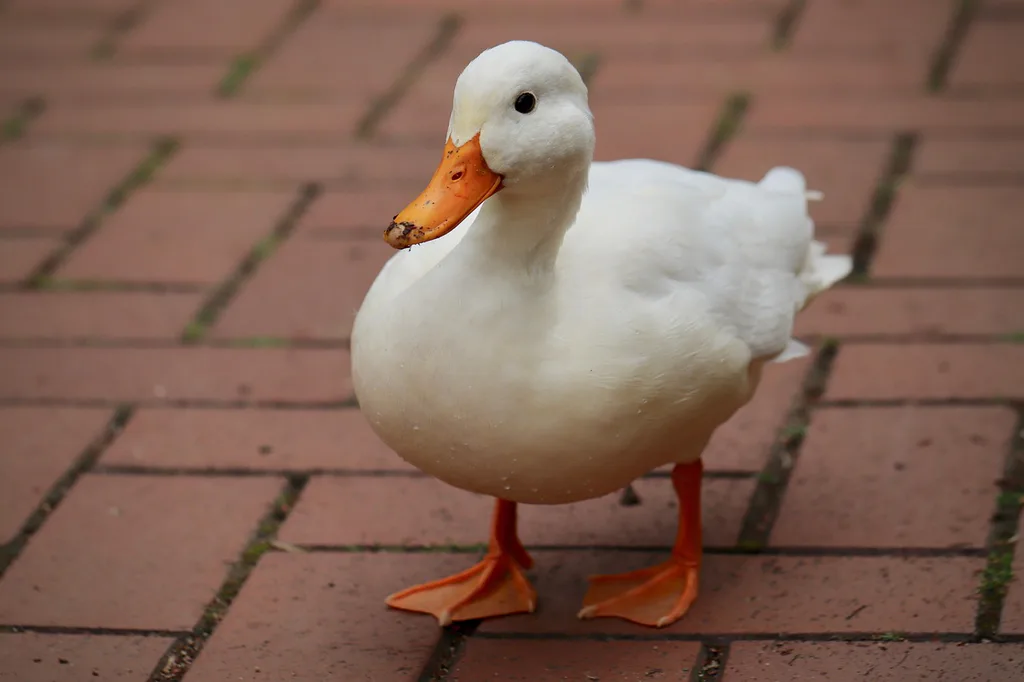
What are a duck's webbed feet good for?
- Climbing up tree trunks
- Digging deep burrows
- Gripping thin branches
- Paddling through water
Answer: Paddling through water
- 6
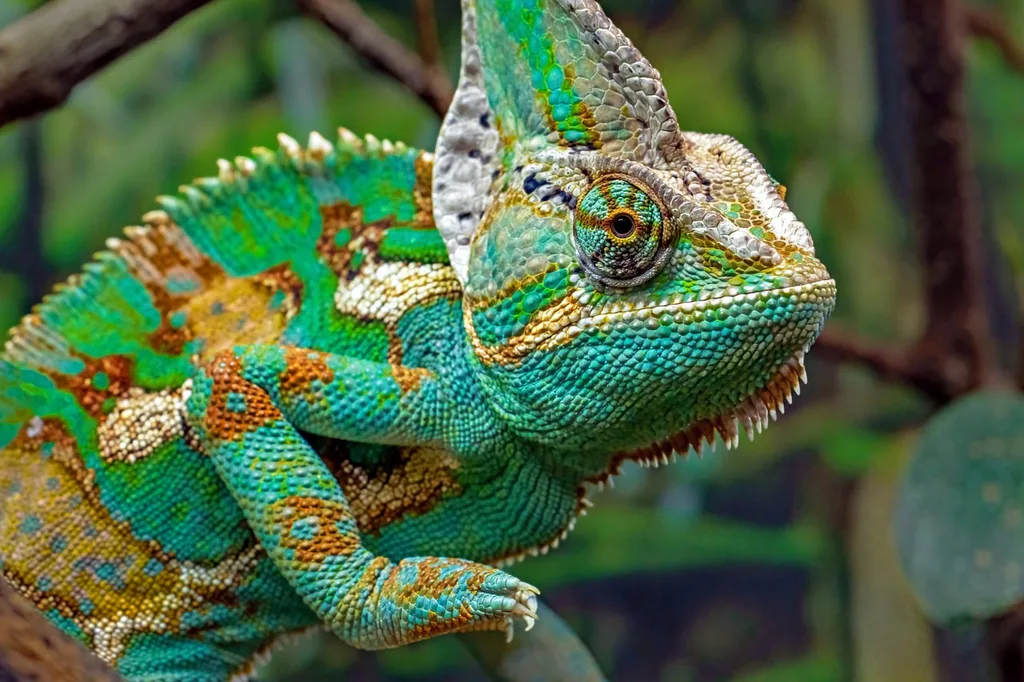
True or false: Chameleons change colour only to hide.
- False: they also do it to send messages and to control their body heat
- True: they only change colour to match whatever they are sitting on
Answer: False: they also do it to send messages and to control their body heat
- 7
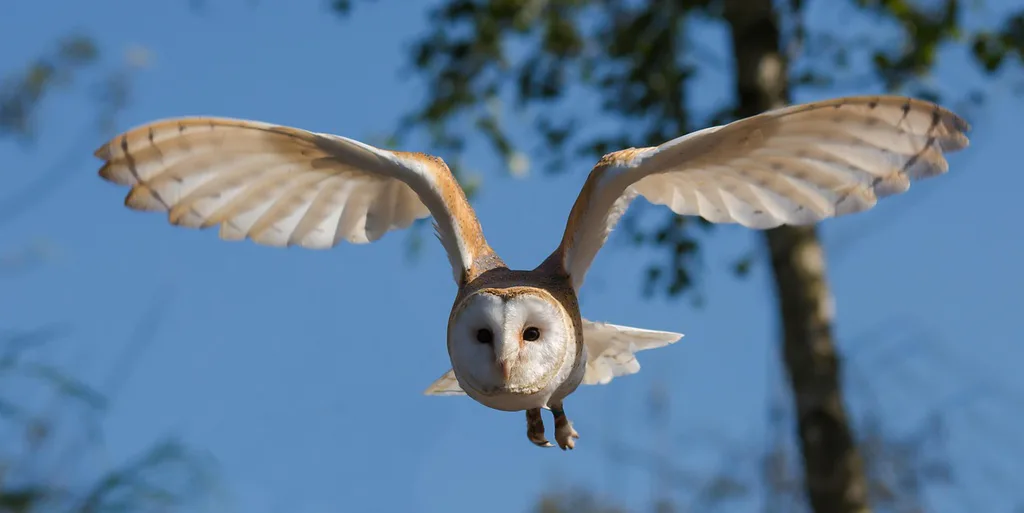
How can an owl fly so quietly?
- It flaps its wings very, very fast
- It holds its breath as it glides
- Its bones are hollow and very light
- Its feathers are soft and fringed
Answer: Its feathers are soft and fringed
- 8
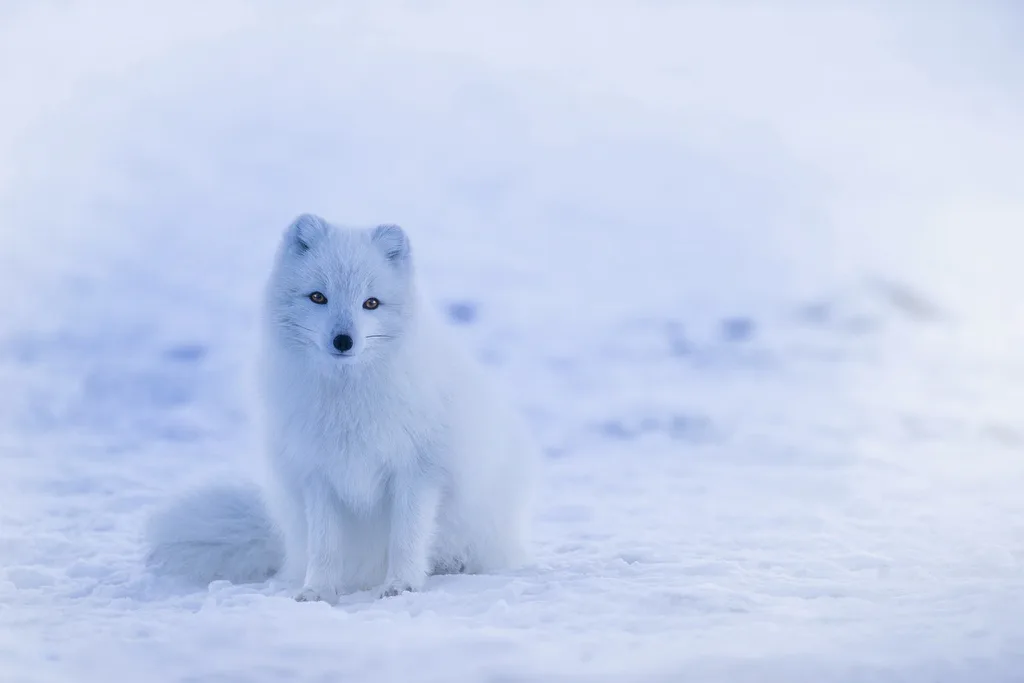
This Arctic fox is white in winter. What happens to its coat in summer?
- It gets thicker and whiter
- It stays white
- It turns bright orange
- It turns brown
Answer: It turns brown
- 9
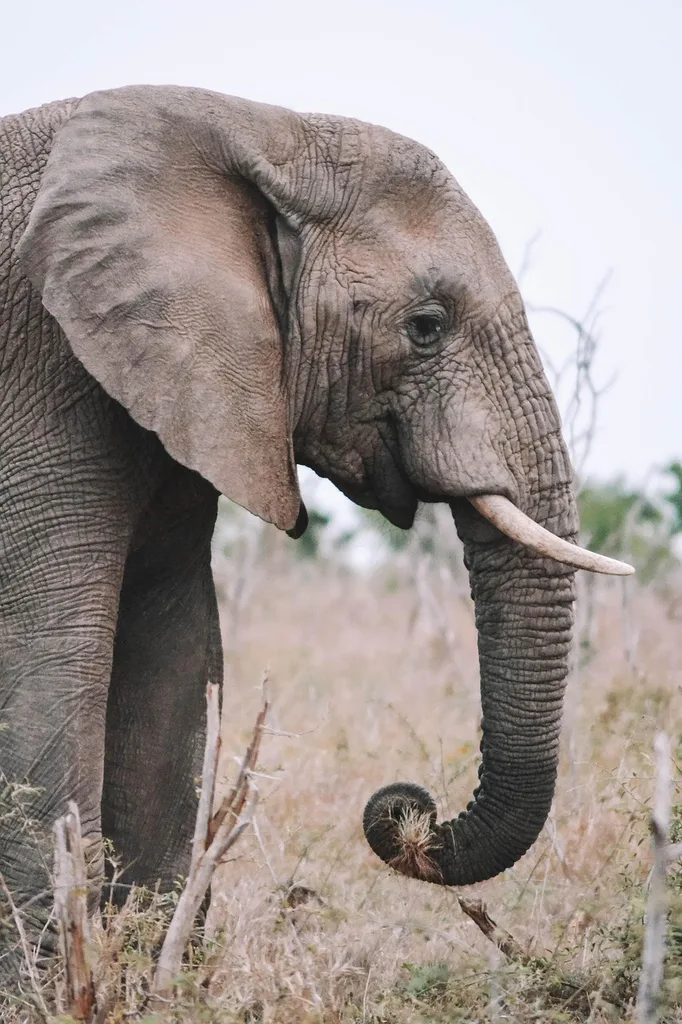
Why does an African elephant flap its huge ears?
- To cool down
- To dig for water
- To hear better
- To keep its balance
Answer: To cool down
- 10
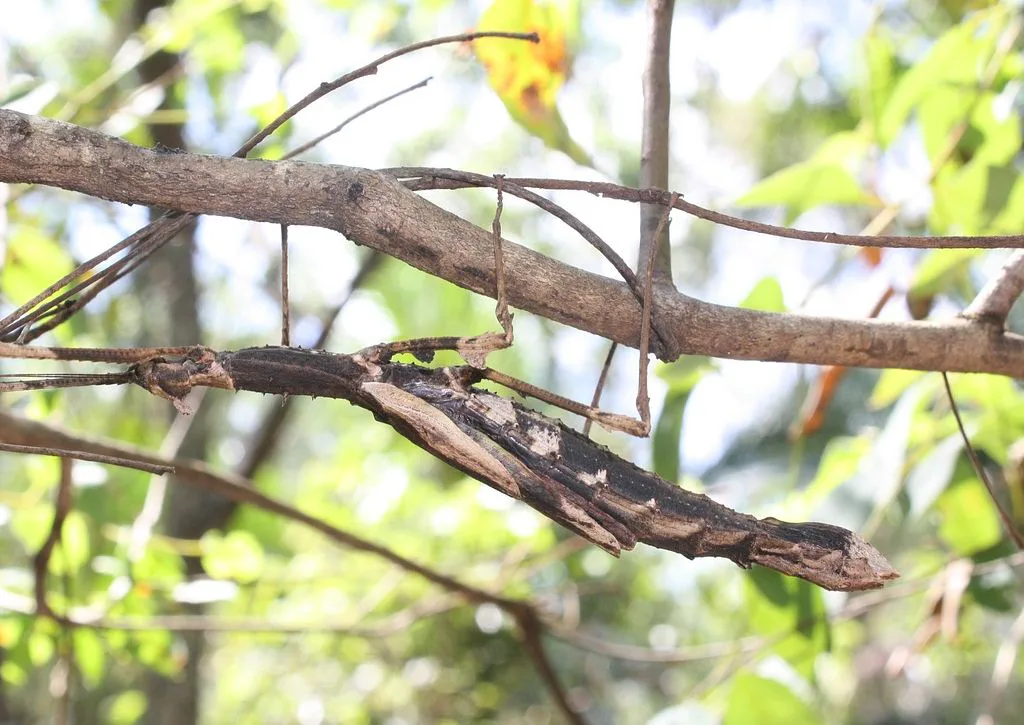
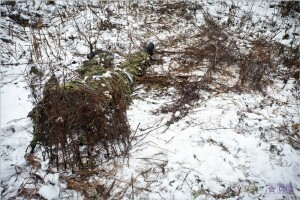
Look closely! What is this?
- A caterpillar
- A grasshopper
- A stick insect
- A twig
Answer: A stick insect
- 11
A woodpecker has a strong, pointed beak. What does it use it for?
- Catching fish underwater
- Cracking open seashells
- Drilling holes in trees
- Sipping nectar from flowers
Answer: Drilling holes in trees
- 12
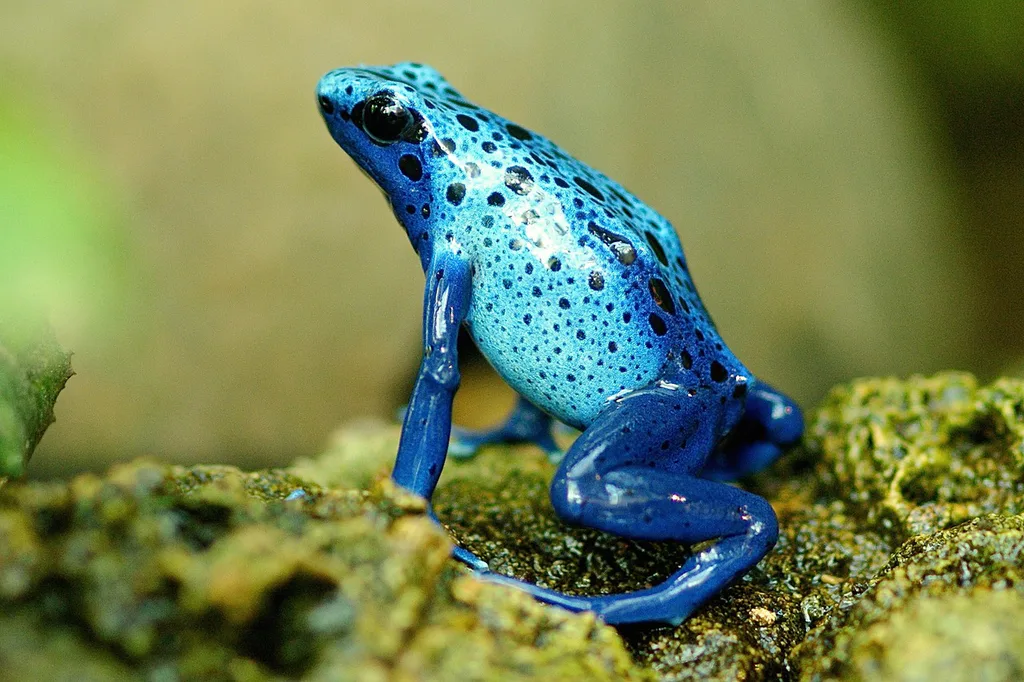
Why is this little frog so brightly coloured?
- To find its way in the dark
- To hide among the bright flowers
- To soak up warmth from the sun
- To warn that it is poisonous
Answer: To warn that it is poisonous
- 13
A mole has big, strong front paws with long claws. What are they for?
- Catching birds
- Climbing up trees
- Digging tunnels
- Swimming fast
Answer: Digging tunnels
- 14
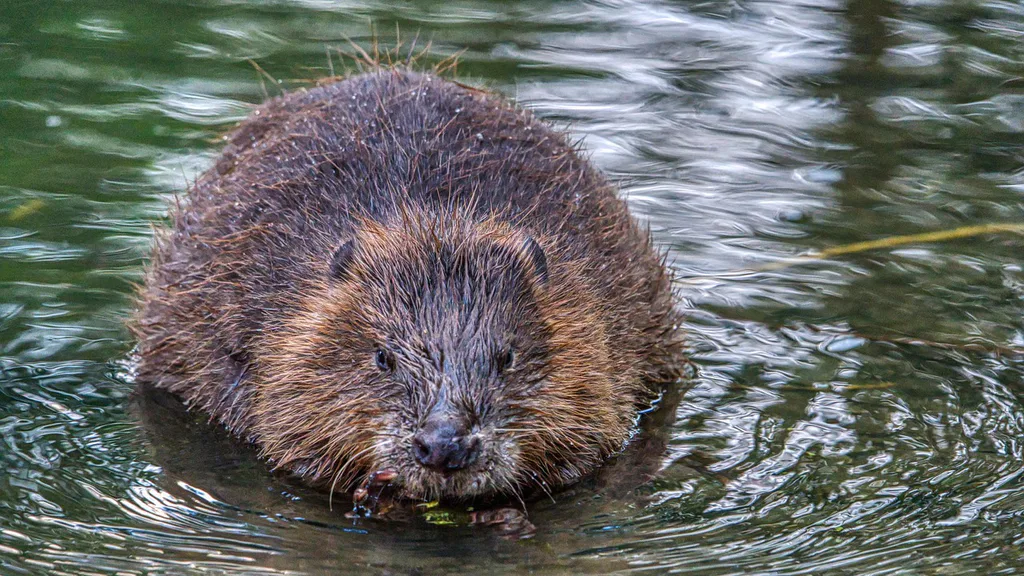
A beaver's front teeth never stop growing. Why is that useful?
- Gnawing wood wears them down
- It needs them to catch fish
- Its teeth fall out every winter
- They help it swim faster
Answer: Gnawing wood wears them down
- 15
What do we call it when an animal's colour helps it hide?
- Camouflage
- Hibernation
- Migration
- Pollination
Answer: Camouflage
- 16
Penguins can't fly. What are their wings like instead?
- Long wings for gliding
- Soft wings for hugging chicks
- Stiff flippers for swimming
- Tiny wings for running
Answer: Stiff flippers for swimming
- 17
A hare that lives in snowy forests has very big back feet. How do they help it in winter?
- They help it climb snowy trees
- They help it slide across frozen lakes
- They melt a path through deep snow
- They stop it sinking into soft snow
Answer: They stop it sinking into soft snow
- 18
Which one is a behaviour, not a body part: a duck's webbed feet, a camel's hump, birds migrating in autumn, or a porcupine's sharp quills?
- A camel's hump
- A duck's webbed feet
- A porcupine's sharp quills
- Birds migrating in autumn
Answer: Birds migrating in autumn
- 19
A hedgehog rolls into a ball when it is scared. How does this help?
- It can hear better inside the ball
- It can roll away from danger very fast
- It keeps its spines warm and dry
- Its spines protect its soft belly
Answer: Its spines protect its soft belly
- 20
Dolphins breathe air. Where is their blowhole?
- At the tip of the tail
- On the belly
- On top of the head
- Under the chin
Answer: On top of the head