The questions
- 1
What is the pH of pure water at room temperature?
Answer: 7
- 2
The pH scale usually goes from 0 to ___.
Answer: 14
- 3
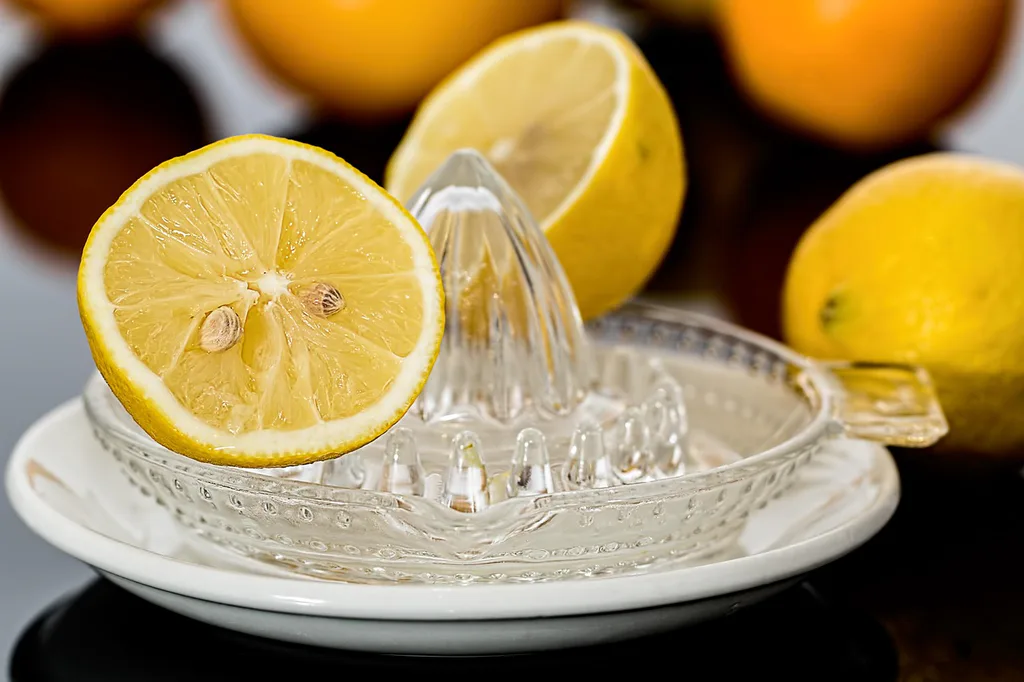
About what pH is lemon juice?
- About 10
- About 13
- About 2
- About 5
Answer: About 2
- 4
Which one is a base: lemon juice, soap, pure water or tomato juice?
- Lemon juice
- Pure water
- Soap
- Tomato juice
Answer: Soap
- 5
Universal indicator turns ___ in a neutral liquid.
- Green
- Orange
- Purple
- Red
Answer: Green
- 6
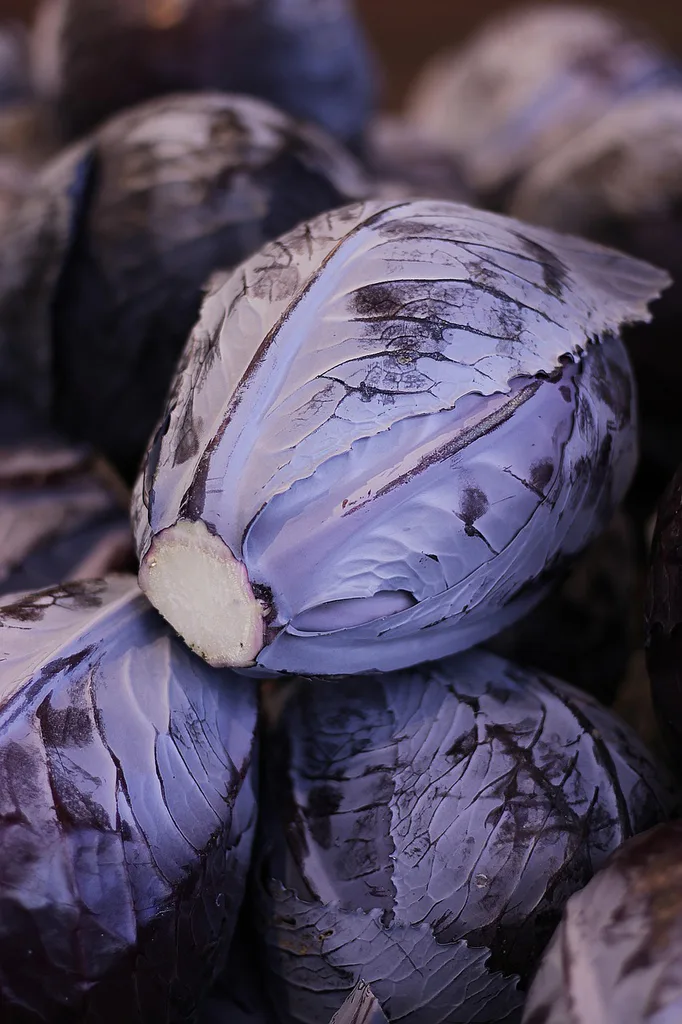
Juice from red cabbage is a natural indicator. What colour does it turn in lemon juice?
- Bright green
- Bright pink
- Bright yellow
- Dark blue
Answer: Bright pink
- 7
Which one turns blue litmus paper red: baking soda, vinegar, bleach or pure water?
- Baking soda
- Bleach
- Pure water
- Vinegar
Answer: Vinegar
- 8
Which acid gives lemons and oranges their sharp taste?
- Acetic acid
- Citric acid
- Formic acid
- Lactic acid
Answer: Citric acid
- 9
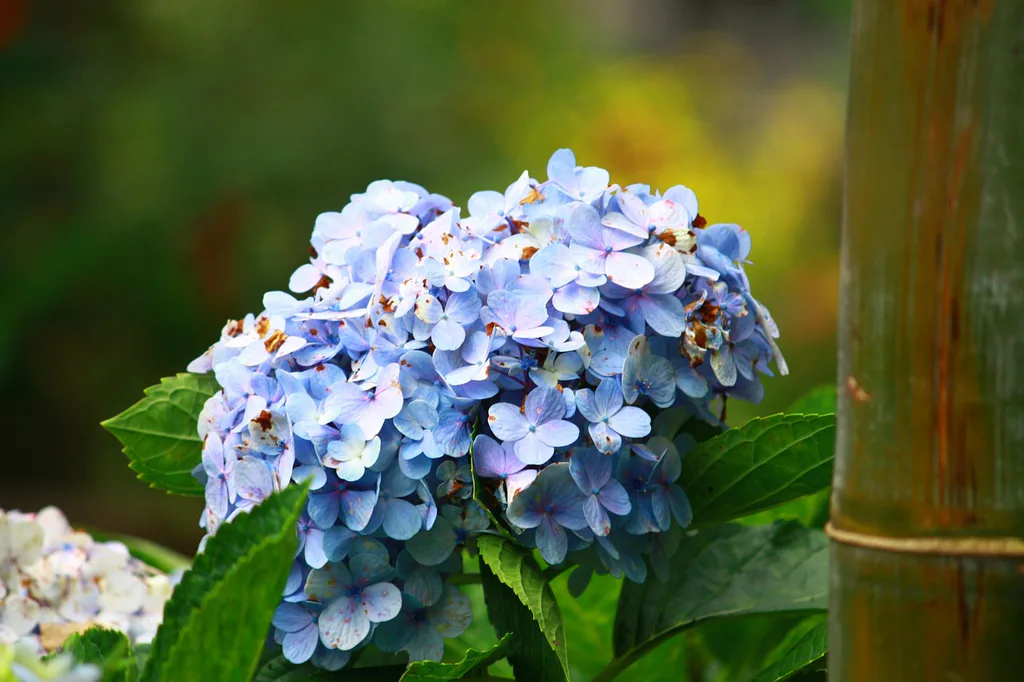
These hydrangeas can have blue or pink flowers, depending on the soil they grow in. What do blue flowers usually tell you?
- The soil is acidic
- The soil is alkaline
Answer: The soil is acidic
- 10
Antacid tablets are bases. They cancel out extra acid in the stomach. What is this kind of reaction called?
- Combustion
- Evaporation
- Fermentation
- Neutralisation
Answer: Neutralisation
- 11
When an acid and an alkali react, what two things do they make?
- A salt and water
- Iron and sand
- Oxygen and sugar
- Smoke and ash
Answer: A salt and water
- 12
Farmers sometimes spread lime, a white powder, on fields where the soil is too acidic. What does the lime do?
- It keeps birds off the field
- It makes the soil less acidic
- It makes the soil more acidic
- It makes the soil much drier
Answer: It makes the soil less acidic
- 13
Why must bleach never be mixed with other cleaning products?
- They can freeze solid at once
- They can make a poisonous gas
- They cancel out into plain water
- They turn into soap
Answer: They can make a poisonous gas
- 14
Your blood has a pH of about 7.4. What does that make it?
- Very slightly acidic
- Very slightly alkaline
Answer: Very slightly alkaline
- 15
Formic acid gets its name from "formica", the Latin word for a small insect that can spray it. Which insect?
Answer: An ant (ants)
- 16
The word "alkali" comes from Arabic. What did it first mean?
- Bitter water
- Plant ashes
- Sea salt
- Sour juice
Answer: Plant ashes
- 17
A small piece of magnesium fizzes in an acid. The gas it gives off burns with a squeaky pop. Which gas is it?
- Carbon dioxide
- Hydrogen
- Nitrogen
- Oxygen
Answer: Hydrogen