The questions
- 1
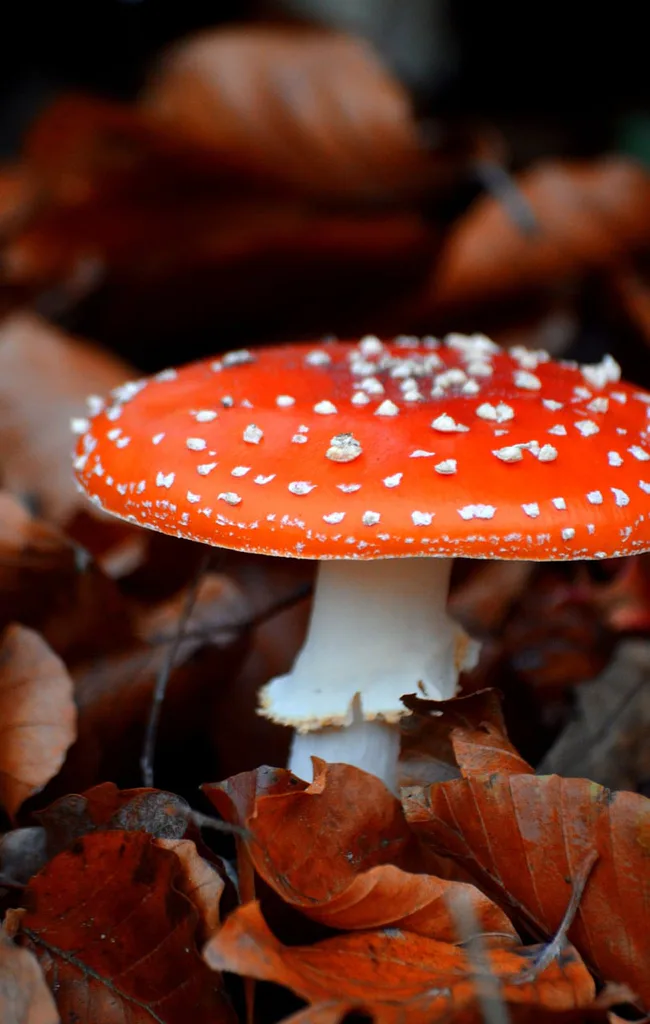
This red mushroom with white spots is growing in a park. What should you do?
- Eat it if it smells nice
- Leave it alone and tell an adult
- Pick it and take it home to cook
- Taste a tiny bit to check first
Answer: Leave it alone and tell an adult
- 2
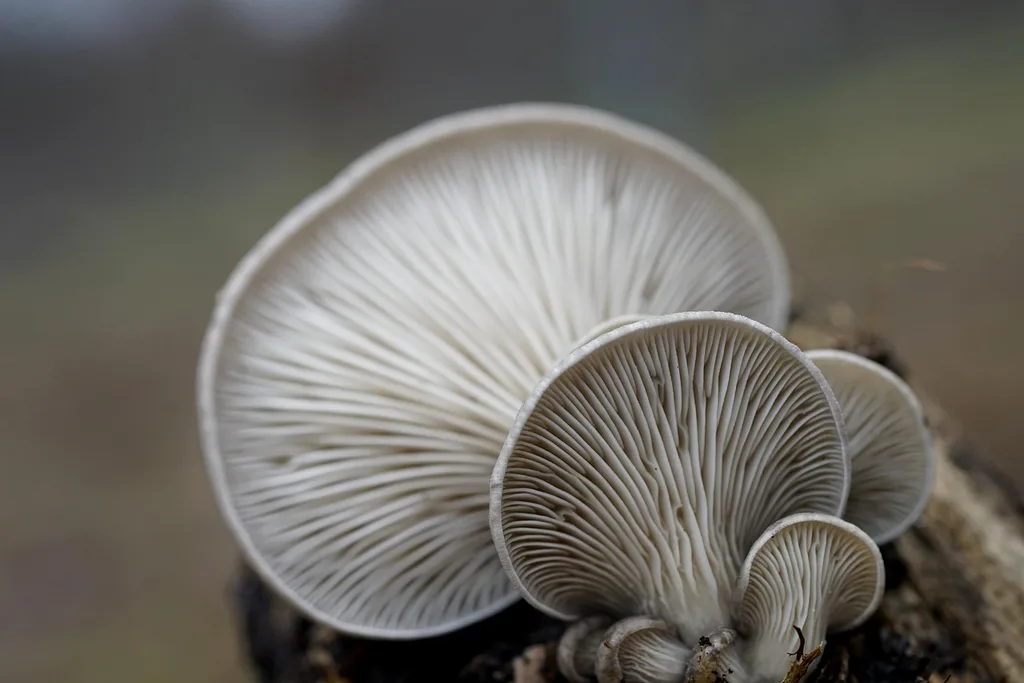
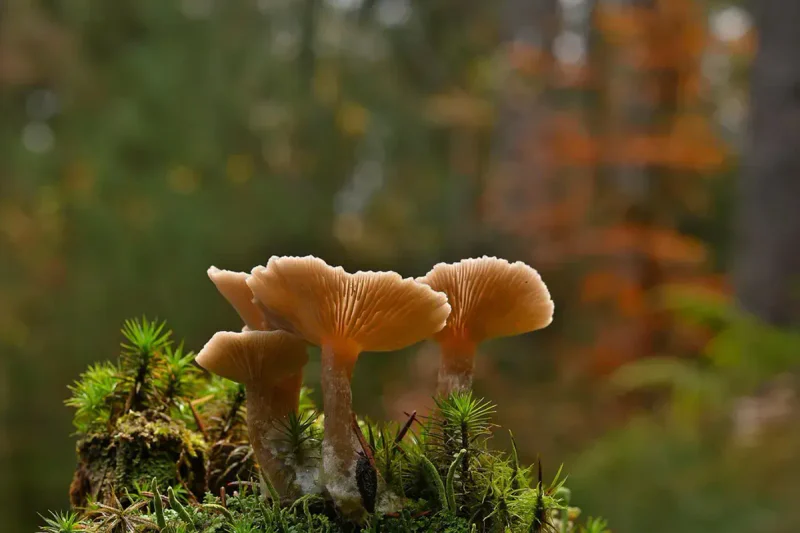
Look under the caps of these mushrooms. What are the thin flaps called?
Answer: Gills
- 3
What does a mushroom release to make new fungi grow?
- Eggs
- Pollen
- Seeds
- Spores
Answer: Spores
- 4
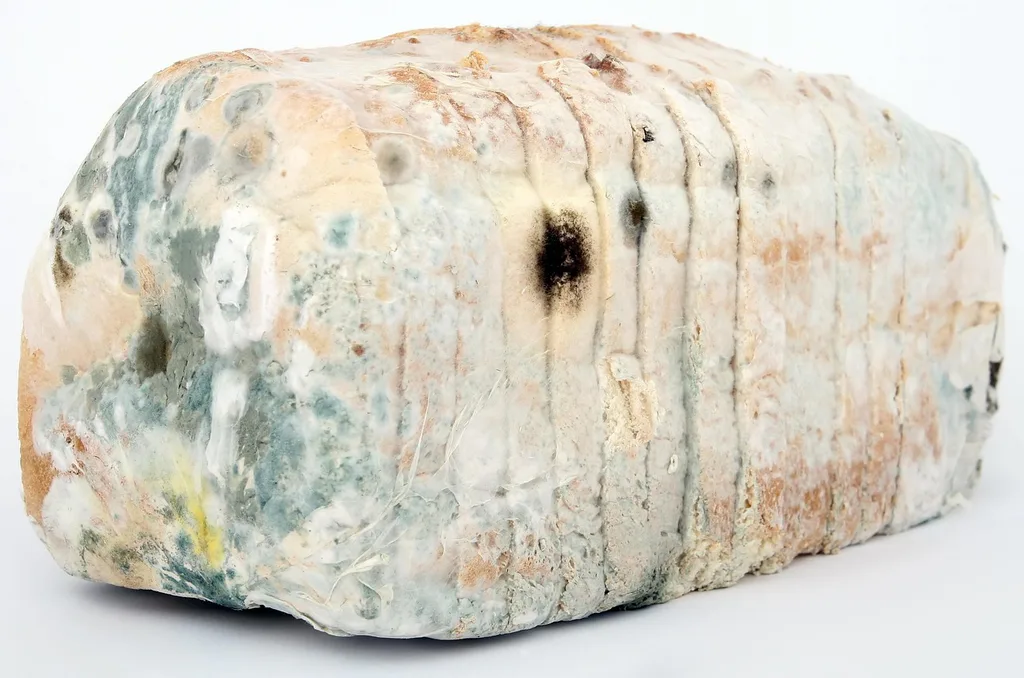
This bread went mouldy. Where does bread go mouldy fastest?
- In a cold, dry cupboard
- In a warm, damp cupboard
- In the freezer, in a bag
- In the fridge, in a bag
Answer: In a warm, damp cupboard
- 5
Yeast is a tiny fungus. How does it make bread dough rise?
- It gives off bubbles of gas
- It makes the dough very hot
- It melts the flour into foam
- It soaks up water and swells
Answer: It gives off bubbles of gas
- 6
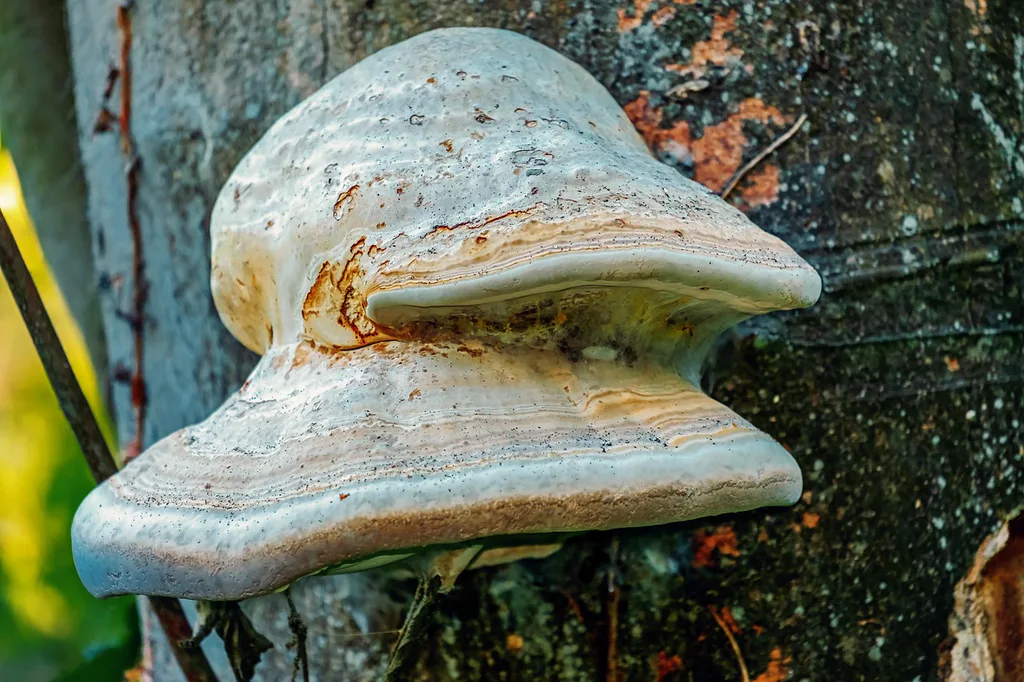
This fungus is growing out of a tree trunk. What kind of fungus is it?
- A bracket fungus
- A coral fungus
- A cup fungus
- A jelly fungus
Answer: A bracket fungus
- 7
Which itchy skin problem between the toes is caused by a fungus?
- Athlete's foot
- Chickenpox
- Mosquito bites
- Prickly heat
Answer: Athlete's foot
- 8
Mushrooms sometimes pop up in a big circle on a lawn. What do people call this circle?
Answer: A fairy ring
- 9
True or false: some mushrooms glow in the dark.
- False: no living thing on land can glow
- True: they give off a soft green light
Answer: True: they give off a soft green light
- 10
Truffles are fungi that grow under the ground. Which animals are trained to sniff them out?
- Cats and rabbits
- Dogs and pigs
- Goats and sheep
- Horses and cows
Answer: Dogs and pigs
- 11
Mushrooms can grow in a dark cellar, but a tomato plant cannot. Why?
- Their caps store sunlight from the summer
- They can grow without any water at all
- They can live without any air at all
- They don't need sunlight to get food
Answer: They don't need sunlight to get food
- 12
A mushroom is only a small part of its fungus. The rest is hidden underground as a web of thin threads. What is this web called?
- The moss layer
- The mycelium
- The root hairs
- The tree bark
Answer: The mycelium
- 13
True or false: fungi are more closely related to animals than to plants.
- False: fungi are a kind of plant
- True: they are closer to animals
Answer: True: they are closer to animals
- 14
Many fungi link up with tree roots underground. What do the fungi give the trees?
- Extra sunlight for their leaves
- Seeds to grow lots of brand new trees
- Shade from the hot summer sun
- Water and minerals from the soil
Answer: Water and minerals from the soil
- 15
True or false: if squirrels or slugs eat a wild mushroom, it must be safe for people too.
- False: some can still harm people
- True: animals know the safe ones
Answer: False: some can still harm people
- 16
In 1928, a mould on a dish helped Alexander Fleming discover penicillin. What does penicillin work against?
- Bacteria
- Fungi
- Insects
- Viruses
Answer: Bacteria
- 17
Bonus: true or false: a single honey fungus in a forest in the USA spreads underground under an area bigger than 1,000 football pitches (soccer fields).
- False: fungi never grow that big
- True: it covers over 9 km²
Answer: True: it covers over 9 km²