The questions
- 1
What is the difference between weather and climate?
- Climate changes day to day, but weather is the average over many years
- Climate is only about rain, and weather is only about wind
- They mean exactly the same thing
- Weather changes day to day, but climate is the average over many years
Answer: Weather changes day to day, but climate is the average over many years
- 2
Which gas, given off when we burn coal, oil, and gas, is the main cause of global warming?
- Carbon dioxide
- Carbon monoxide
- Helium
- Nitrogen
Answer: Carbon dioxide
- 3
Coal, oil, and natural gas are called fossil fuels. Why?
- They are as old as the Earth itself
- They are dug up by fossil hunters
- They are only found near dinosaur bones
- They formed from ancient living things
Answer: They formed from ancient living things
- 4
Greenhouse gases in the air act a bit like a blanket around the Earth. What do they do?
- Block out all sunlight
- Cool the planet down
- Make the air cleaner
- Trap heat near the surface
Answer: Trap heat near the surface
- 5
True or false: without any greenhouse gases at all, the Earth would be much colder.
- False: greenhouse gases only ever cause harm
- True: they keep the Earth warm enough for life
Answer: True: they keep the Earth warm enough for life
- 6
Coal, oil, natural gas, or wind: which one is a renewable energy source?
- Coal
- Natural gas
- Oil
- Wind
Answer: Wind
- 7
Flat panels on many roofs make electricity from...
- Coal
- Rainwater
- Sunlight
- Wind
Answer: Sunlight
- 8
Cows give off a greenhouse gas, mostly when they burp. Which gas is it?
- Helium
- Hydrogen
- Methane
- Oxygen
Answer: Methane
- 9
How do forests help to slow down climate change?
- Trees block the wind
- Trees make the air hotter
- Trees make the rain colder
- Trees store carbon from the air
Answer: Trees store carbon from the air
- 10
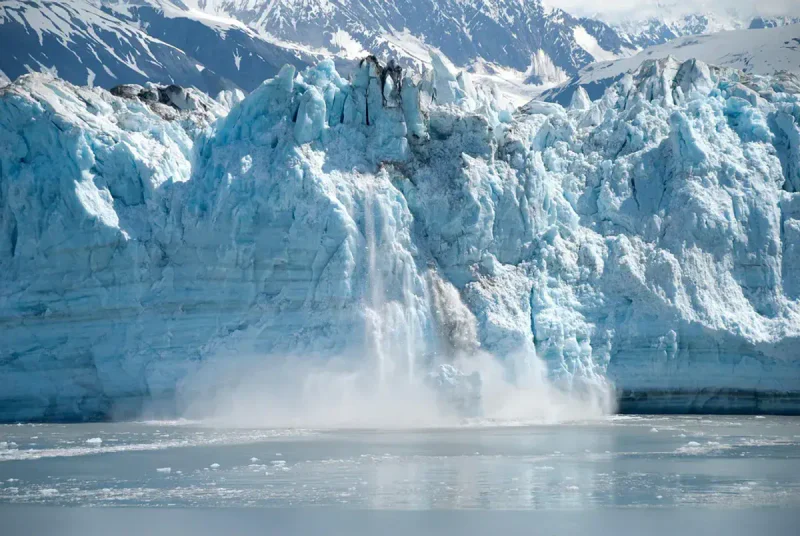
Which melting ice raises sea levels the most: ice on land, or ice already floating in the sea?
- Ice floating in the sea
- Ice on land
Answer: Ice on land
- 11
Seawater is getting warmer. What happens to it as it warms up?
- It expands and takes up more space
- It shrinks and takes up less space
- It sinks to the sea floor
- It turns into salt
Answer: It expands and takes up more space
- 12
Why does melting sea ice in the Arctic matter so much to polar bears?
- They eat the plants that grow on the ice
- They hibernate under the ice all winter
- They hunt seals from the ice
- They walk across the ice to the South Pole
Answer: They hunt seals from the ice
- 13
Which everyday choice helps to cut greenhouse gases?
- Keeping the heating on with the windows open
- Leaving the lights on all night
- Throwing away food we could eat
- Walking or cycling instead of going by car
Answer: Walking or cycling instead of going by car
- 14
What is a "carbon footprint"?
- The amount of coal a country digs up each year
- The amount of oil left under the ground
- The greenhouse gases our activities produce
- The number of trees growing in a forest
Answer: The greenhouse gases our activities produce
- 15
True or false: the hole in the ozone layer is the main cause of climate change.
- False: they are two different problems
- True: the hole lets extra heat in
Answer: False: they are two different problems
- 16
In Iceland, most homes are heated with hot water from deep under the ground. What is this kind of energy called?
- Geothermal energy
- Nuclear energy
- Solar energy
- Tidal energy
Answer: Geothermal energy
- 17
How much has the Earth warmed up since the late 1800s?
- About 0.1 °C on average
- More than 1 °C on average
Answer: More than 1 °C on average
- 18
Warm seawater makes coral push out the tiny algae that live inside it. What is this called?
- Coral bleaching
- Coral blooming
- Coral melting
- Coral spawning
Answer: Coral bleaching