The questions
- 1
What do we call the drops of water that form on grass on a cool morning?
- An icicle
- Dew
- Frost
- Hail
Answer: Dew
- 2
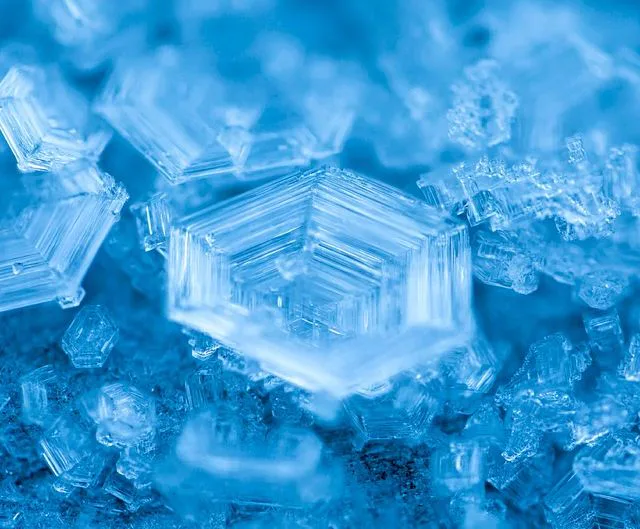
Look at the ice crystal in the middle. What shape is it?
- A hexagon
- A pentagon
- A square
- An octagon
Answer: A hexagon
- 3
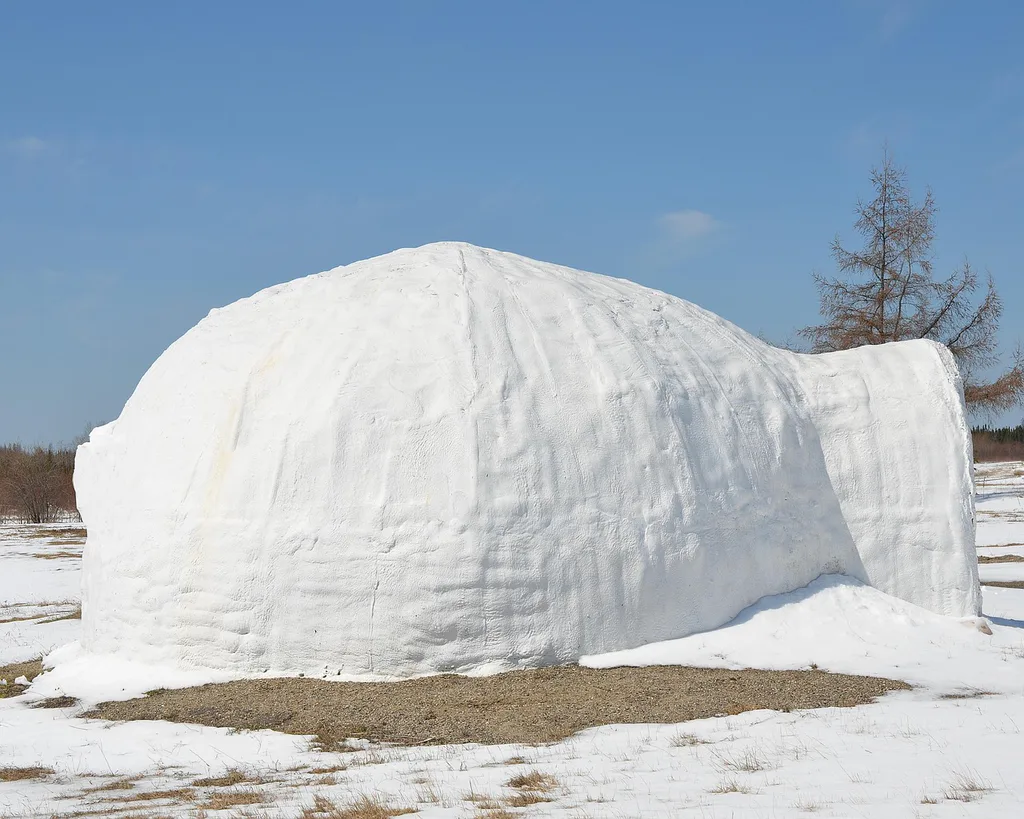
Why can it be warm inside an igloo, even when it is very cold outside?
- Ice gives off heat of its own
- Snow is warm to the touch
- Snow keeps the heat in
- The round shape makes heat
Answer: Snow keeps the heat in
- 4
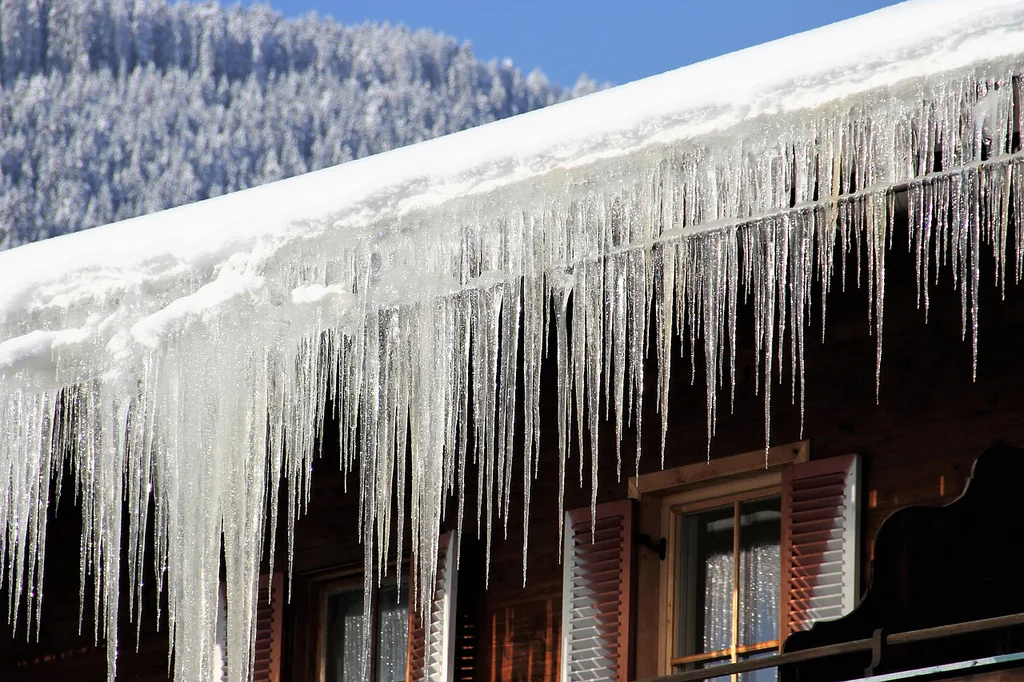
How do icicles like these grow?
- Dripping water freezes bit by bit
- Frost grows down from the roof
- Hail sticks together in a long line
- Snow gets squeezed into a long point
Answer: Dripping water freezes bit by bit
- 5
On very, very cold days, it is hard to make a good snowball. Why?
- The snow is too dry to stick
- The snow is too heavy to lift
- The snow is too wet and slushy
- The snow melts too quickly
Answer: The snow is too dry to stick
- 6
A pond near your school is frozen. What should you do?
- Jump on it to test it
- Stay off the ice
- Walk on it if it looks thick
- Walk on it near the edge
Answer: Stay off the ice
- 7
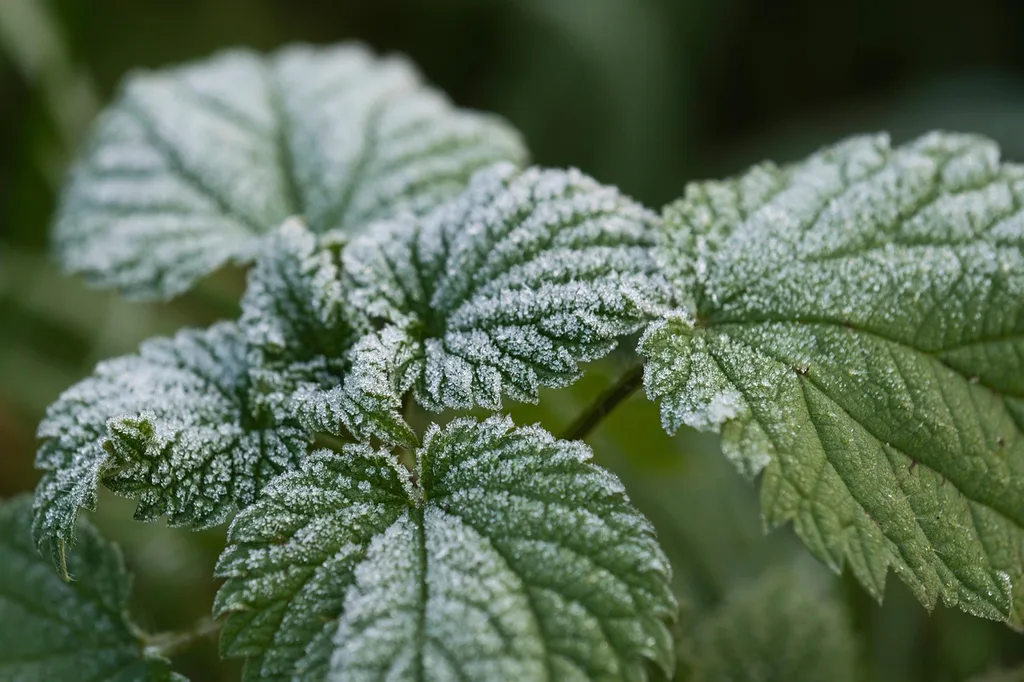
This frost formed on the leaves on a cold, clear night. Where did it come from?
- Melted snow on the ground
- Rain from the clouds
- Snowflakes blown by the wind
- Water vapour in the air
Answer: Water vapour in the air
- 8
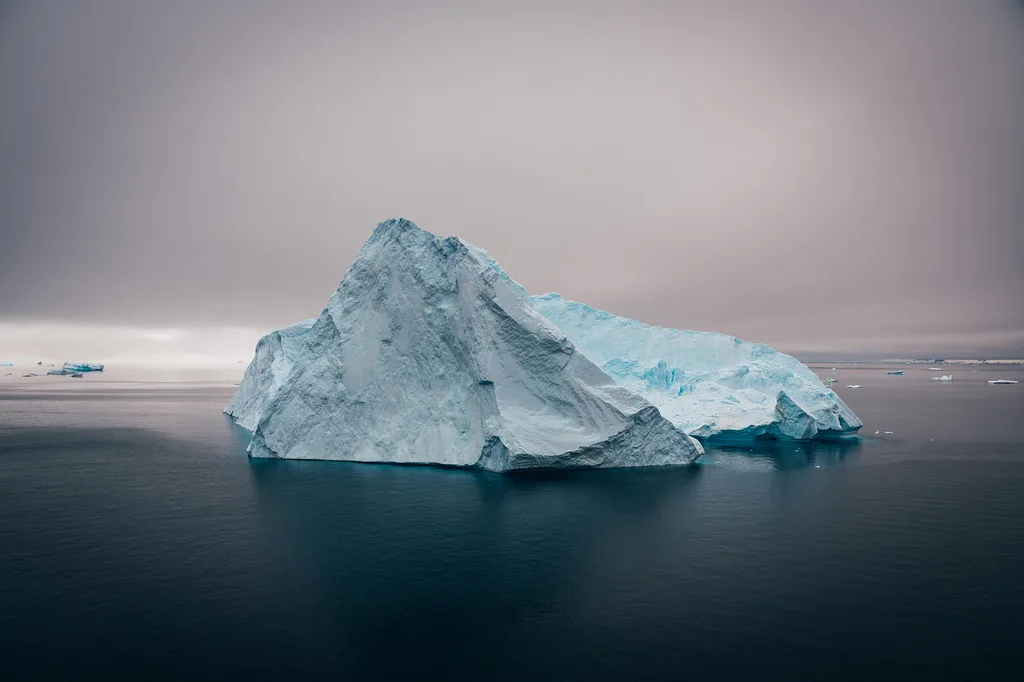
This iceberg is floating in the salty sea. What is it made of?
- Fresh water, from snow on land
- Salty water, frozen from the sea
Answer: Fresh water, from snow on land
- 9
Black ice is a thin layer of ice on a road. Why is it so dangerous?
- It is hard to see
- It is sharp like broken glass
- It is too thick to break
- It is very rough and bumpy
Answer: It is hard to see
- 10
Why does salt help to clear ice from roads?
- Salt grains are warm and heat the road
- Salt makes the ice too heavy to stay
- Salt soaks up all the cold from the air
- Salty water must get colder to freeze
Answer: Salty water must get colder to freeze
- 11
True or false: fresh, fluffy snow is mostly air.
- False: it is solid ice all the way through
- True: air fills most of its space
Answer: True: air fills most of its space
- 12
After fresh snow falls, a park can sound very quiet. Why?
- The cold air stops sound
- The snow soaks up sound
Answer: The snow soaks up sound
- 13
Snowflakes are made of clear ice. So why does snow look white?
- Clouds colour it white on the way down
- Cold turns clear things white
- It has white chalk mixed into it
- Light bounces off its tiny crystals
Answer: Light bounces off its tiny crystals
- 14
True or false: snowflakes are frozen raindrops.
- False: they grow from tiny ice crystals
- True: raindrops freeze as they fall
Answer: False: they grow from tiny ice crystals
- 15
Most snowflakes begin on a tiny speck of ___ high up in a cloud.
Answer: Dust (or pollen)
- 16
A full glass bottle of water is left in the freezer. Why might it crack?
- Ice is much heavier than liquid water
- The cold makes the glass melt
- The water turns into a gas
- Water takes up more room as ice
Answer: Water takes up more room as ice
- 17
What kind of weather brings big hailstones?
- Calm, clear nights
- Gentle snowfall
- Light drizzle
- Strong thunderstorms
Answer: Strong thunderstorms
- 18
Bonus: true or false: snow has fallen on the sand dunes of the Sahara Desert.
- False: it has never snowed there
- True: it has snowed there a few times
Answer: True: it has snowed there a few times